


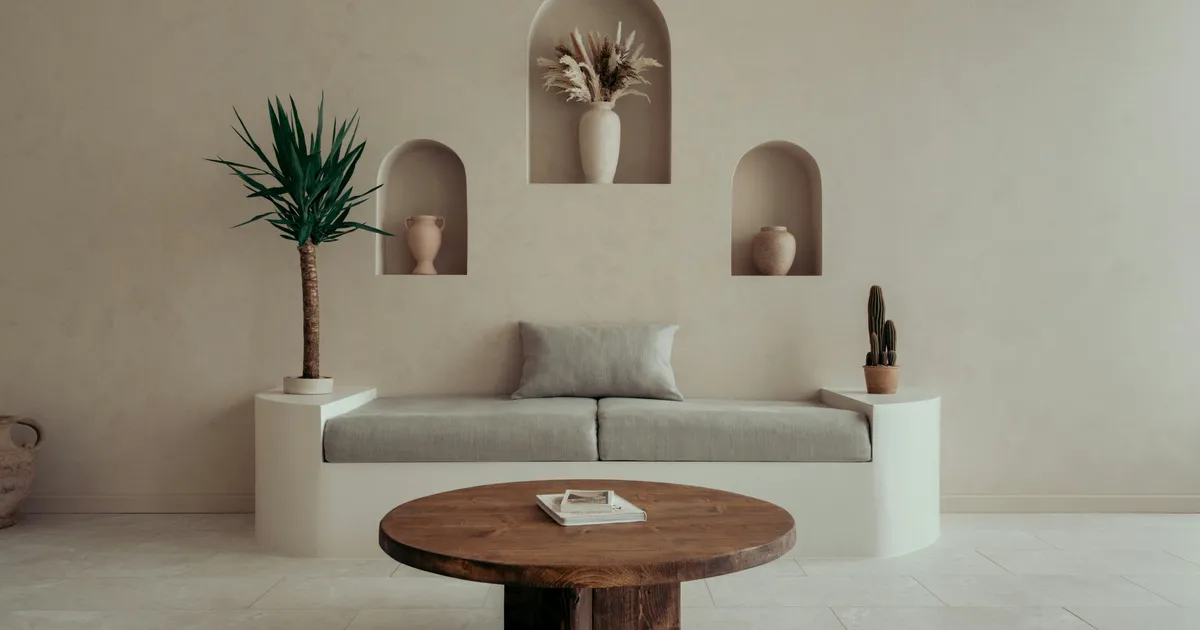
Have you ever walked into a space and felt an immediate sense of calm, a lightness that seemed to lift your spirits? I remember experiencing this profound feeling during a trip to Kyoto, stepping into a traditional machiya home where every object served a purpose, and every empty space held its own beauty. It wasn’t just clean; it was thoughtfully curated, a testament to the power of a minimal interior design guide. This wasn’t about deprivation; it was about intentionality. Creating a clean and modern home look isn’t just an aesthetic choice; it’s a lifestyle shift that promises serenity, clarity, and a deeper appreciation for the things that truly matter within your personal sanctuary.
The Philosophy of Purposeful Living
At its heart, minimal interior design is far more than just decluttering; it’s a philosophical approach to living that prioritizes purpose, functionality, and beauty in equal measure. It’s about stripping away the superfluous to reveal the essence of a space, allowing architectural details, natural light, and carefully chosen pieces to truly shine. This intentional reduction doesn’t lead to a sterile environment but rather fosters a deeper connection with your surroundings, encouraging mindfulness and reducing visual noise that often contributes to mental fatigue. Embracing this philosophy means making conscious decisions about what you bring into your home and why.
My own journey into minimalism began not with a grand overhaul, but with a simple question: “Does this item add value or joy to my life?” This single query became a powerful filter, transforming my living space from a repository of possessions into a curated collection of cherished necessities. It’s about understanding that a truly modern home look isn’t defined by the latest trends, but by its ability to support a calm, organized, and inspiring lifestyle. The goal is to create an environment where every element is intentional, contributing to an overall sense of peace and efficiency, which is more relevant than ever in 2026.
Mastering the Art of Intentional Decluttering
The cornerstone of any successful minimal interior design project is, without question, intentional decluttering. This isn’t just about tidying up; it’s a methodical process of evaluating every item in your home. Begin by tackling one room, or even one drawer, at a time to avoid feeling overwhelmed. Ask yourself tough questions: Have I used this in the last year? Does it serve a genuine purpose? Does it bring me joy? If the answer is no, it’s time to let it go. Remember, an item that is out of sight but still hoarded away is still clutter, mentally and physically. Resources like The Minimalists offer excellent frameworks for getting started.
Once the initial purge is complete, the ongoing maintenance of a decluttered space becomes crucial. Adopt a “one in, one out” rule for new purchases, ensuring that your home’s equilibrium is maintained. Invest in smart, hidden storage solutions that blend seamlessly with your decor, allowing you to tuck away essentials without disrupting the clean lines of your design. This continuous practice prevents accumulation and ensures that your home remains a sanctuary, rather than a storage unit. It’s a commitment, but the reward of a perpetually serene environment is well worth the effort, fostering a truly clean and modern home look.
Curated Color Palettes and Textures
In minimal interior design, color palettes are typically serene and understated, forming a calm backdrop against which carefully chosen elements can stand out. Think soft whites, warm grays, muted beiges, and earthy tones that evoke a sense of tranquility and spaciousness. These neutral foundations allow natural light to bounce around, making rooms feel larger and more open. While the base is minimalist, don’t shy away from subtle variations in shade and tone; a room painted in off-white can feel dramatically different from one in a cooler, pure white. The trick is to keep the palette cohesive and calming, rather than stark or sterile.
To prevent a minimalist space from feeling cold, the judicious use of texture is paramount. Introducing rich textures through natural materials adds depth, warmth, and tactile interest without adding visual clutter. Imagine the softness of a linen throw, the roughness of a concrete planter, the warmth of a wooden floor, or the subtle weave of a wool rug. These elements create a sensory experience that grounds the space and makes it inviting. Layering textures within a monochromatic scheme is a sophisticated way to achieve a luxurious and comfortable feel, vital for a truly modern home look that endures beyond 2026.
Furniture as Functional Art
When selecting furniture for a minimal home, the focus shifts dramatically from quantity to quality and purpose. Each piece should be chosen for its clean lines, simple form, and inherent functionality. Opt for multi-functional items—a coffee table with hidden storage, a sofa bed, or modular shelving—to maximize utility without sacrificing aesthetics. Look for furniture crafted from durable, natural materials like wood, metal, or stone, which age beautifully and contribute to a timeless appeal. The goal is not to fill a room, but to furnish it with intentional pieces that serve a clear purpose and stand on their own as beautiful objects.
Embracing Negative Space
Perhaps one of the most misunderstood elements of minimal interior design is the concept of negative space, or “whitespace.” This isn’t just empty space; it’s a deliberate design choice that allows the eye to rest and appreciate the objects that are present. By leaving walls bare or floors open, you create visual breathing room, enhancing the sense of calm and order. Negative space frames your furniture and decor, turning everyday items into focal points and preventing rooms from feeling cramped or overwhelming. It’s a powerful tool for creating balance and harmony, allowing your home to truly feel expansive and serene.
Thoughtful Lighting and Greenery
Lighting plays a transformative role in a minimal home, dictating mood and highlighting architectural features. Maximize natural light wherever possible by using sheer curtains or no window treatments at all. For artificial lighting, choose fixtures that are both functional and aesthetically pleasing, with simple, understated designs. Layering light—ambient, task, and accent—creates warmth and depth, preventing spaces from feeling flat. Consider dimmers to adjust the intensity, allowing you to tailor the atmosphere to different times of day or activities. Thoughtful lighting can elevate even the simplest room into a sophisticated haven.
Bringing the outdoors in through carefully selected greenery is another essential element of a clean and modern home look. Plants introduce life, color, and a natural organic texture that beautifully complements minimalist aesthetics. Choose low-maintenance plants with striking forms, such as a snake plant, fiddle-leaf fig, or a sculptural succulent. Place them strategically to add a touch of nature without creating clutter. A single, well-placed plant can become a focal point, purifying the air and contributing to a sense of well-being, enhancing the calm atmosphere you’re cultivating for 2026 and beyond. For more ideas on biophilic design, consider resources from the EPA.
Key Takeaways
- Intentionality is Paramount: Every item in a minimalist home should serve a purpose or evoke joy. Embrace a “less is more” philosophy to create a serene and functional living space.
- Declutter Relentlessly and Sustainably: Begin with a thorough purge, then maintain your organized home with consistent habits like the “one in, one out” rule. Hidden storage is your ally.
- Harmonious Color and Texture: Stick to a neutral, cohesive color palette for walls and large furniture, then introduce warmth and depth through varied natural textures in textiles, wood, and stone.
- Functionality and Form in Furniture: Choose high-quality, multi-functional furniture with clean lines. Prioritize negative space to allow your chosen pieces and the overall design to breathe and create calm.
Frequently Asked Questions
Is minimalist design cold or stark?
Not at all! While the aesthetic is clean and uncluttered, a truly successful minimal interior design incorporates warmth through natural materials like wood, wool, and linen, alongside thoughtful lighting and a nuanced use of texture. The goal is serenity, not sterility, focusing on comfort and an inviting atmosphere rather than bareness.
How do I start decluttering without feeling overwhelmed?
Begin small. Pick one drawer, one shelf, or one small area, and commit to completing it. Don’t try to tackle your entire home in one go. Break the process down into manageable chunks, celebrate small victories, and consider the “four-box method” (keep, donate, trash, relocate) to streamline decision-making.
Can I have a minimalist home with children or pets?
Absolutely! Minimalism with children or pets is about finding smart, practical solutions. Focus on durable, easy-to-clean materials, ample hidden storage for toys and pet supplies, and teaching children the value of putting things away. It’s about less stuff, not no stuff, and creating systems that work for your entire household.
What are the most essential pieces of furniture for a minimalist home?
The essentials vary by room, but generally include a comfortable sofa, a functional coffee table, a sturdy dining table with chairs, a supportive bed, and practical storage units like dressers or bookshelves. Prioritize pieces that are well-made, versatile, and align with your personal aesthetic, rather than filling every available space.
Conclusion
Embracing a minimal interior design guide is more than just a trend; it’s an investment in your well-being, offering a pathway to a clean and modern home look that truly nurtures. By thoughtfully curating your surroundings, prioritizing functionality, and appreciating the beauty of simplicity, you create a sanctuary that reflects clarity and peace. This approach reduces stress, enhances focus, and allows you to truly connect with your living space. Start small, be intentional, and watch as your home transforms into a haven of calm, perfectly suited for the demands and desires of 2026 and beyond.