


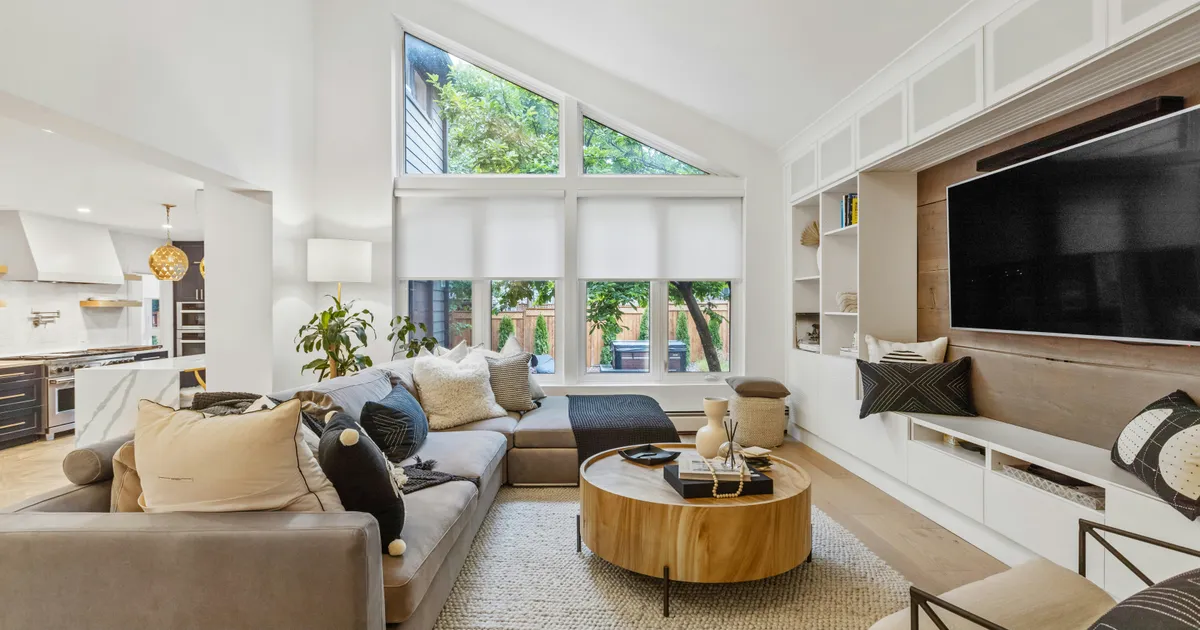
I’ve witnessed countless homeowners dive headfirst into renovations, fueled by inspiration from glossy magazines, only to emerge months later with empty wallets and a lingering sense of regret. It’s a common story: beautiful aesthetics prioritized over practical functionality, leading to costly re-dos or spaces that simply don’t serve their occupants well long-term. This is precisely why embracing smart renovation strategies isn’t just about curb appeal; it’s about making informed decisions that enhance your daily life, boost your property’s value, and save you significant money over time. It’s about building a future-proof home, not just a pretty one, ensuring every dollar spent contributes meaningfully to both design and enduring financial wisdom.
Strategic Planning and Budgeting First
Before any hammer swings or paint can is opened, the most critical step in smart renovation strategies is meticulous planning and realistic budgeting. Many homeowners underestimate the true cost and complexity, leading to mid-project crises and compromises. A detailed plan should encompass not just materials and labor, but also contingency funds (aim for 10-15% of the total budget), permits, and potential temporary living arrangements. Thinking through every phase and potential roadblock upfront will save you untold headaches and expenses down the line, ensuring your vision aligns perfectly with your financial reality and the project’s scope.
This early planning phase is also where you define your “why.” Are you renovating for resale, for your forever home, or to accommodate a growing family? Your motivations will heavily influence design choices, material selections, and budget allocation. For instance, a home destined for market in 2026 might prioritize broader appeal and higher ROI features like kitchen and bathroom updates, whereas a long-term family home might focus more on durability, personalized comfort, and adaptable spaces. Clarity on your objectives ensures every decision supports your overarching goal, preventing scope creep and unnecessary expenditures.
The Phased Renovation Approach
Sometimes, the ideal renovation is too ambitious for a single undertaking. This is where a phased approach shines, allowing you to break a large project into manageable stages over time. Instead of a complete overhaul, you might tackle the most critical or disruptive areas first, like plumbing or electrical upgrades, followed by cosmetic improvements. This method not only eases the financial burden by spreading costs over months or even years but also minimizes disruption to your daily life. It’s a strategic way to achieve your dream home gradually, learning from each phase and refining your plans for subsequent stages.
Implementing a phased renovation requires a clear master plan from the outset, even if you’re only executing a portion of it initially. Each phase should be designed to integrate seamlessly with future stages, preventing costly rework. For example, if you plan to eventually open up a wall between the kitchen and living room, ensure any initial electrical work in those areas anticipates the new layout. This foresight allows for a logical progression, avoiding situations where you complete one area only to tear it apart for a later phase, proving that thoughtful sequencing is key to long-term savings and design coherence.
Prioritizing Longevity and ROI
When considering renovation materials and fixtures, it’s easy to be swayed by the cheapest upfront option. However, smart renovation strategies dictate looking beyond initial costs to consider longevity, maintenance, and potential return on investment. Investing in high-quality, durable materials like solid wood cabinetry, quartz countertops, or commercial-grade flooring might have a higher initial price tag, but their extended lifespan and reduced need for repairs or replacements will often result in significant savings over 10-20 years. Think of it as an investment in your home’s future resilience and your peace of mind.
Furthermore, certain renovations consistently offer a strong return on investment, making them smart choices even if your primary goal isn’t immediate resale. Kitchen and bathroom remodels, for instance, frequently recoup a significant portion of their cost. Energy-efficient upgrades, such as new windows or improved insulation, not only add value but also deliver tangible savings on utility bills month after month. Always research current market trends and consult with real estate professionals to understand which improvements offer the best ROI in your specific area for a potential sale in 2026 and beyond. A great resource for understanding energy efficiency is ENERGY STAR.
Embracing Sustainable Materials and Practices
The movement towards sustainable living extends naturally to home renovations, offering both environmental benefits and long-term financial advantages. Opting for eco-friendly materials like reclaimed wood, bamboo flooring, low-VOC paints, or recycled content tiles reduces your home’s carbon footprint and often contributes to healthier indoor air quality. Beyond materials, consider sustainable practices such as optimizing natural light to reduce electricity consumption or installing efficient insulation to cut heating and cooling costs. These choices align with a growing demand for green homes and can enhance your property’s marketability.
Beyond the ethical considerations, sustainable choices often translate directly into savings. Water-efficient fixtures, like low-flow toilets and showerheads, reduce water bills. Energy-efficient appliances, while a larger upfront investment, drastically cut electricity consumption over their lifespan. Even thoughtful waste management during the renovation process, like recycling demolition debris, can reduce landfill fees. By integrating sustainability into your renovation plan, you’re not just being kind to the planet; you’re building a more efficient, cost-effective home that will continue to pay dividends for years to come. For more on sustainable building, explore resources like the U.S. Green Building Council.
Smart Home Integration for Future-Proofing
In today’s rapidly evolving technological landscape, incorporating smart home features into your renovation is a savvy move for both convenience and future value. From smart thermostats that optimize energy usage to integrated lighting systems that enhance ambiance and security cameras that provide peace of mind, these technologies make daily living more efficient and comfortable. Planning for the necessary wiring and infrastructure during a renovation is far more cost-effective than trying to retrofit these systems later, ensuring your home remains cutting-edge for years to come.
Future-proofing your home isn’t just about adding gadgets; it’s about creating a flexible infrastructure that can adapt to new technologies. This means considering robust Wi-Fi networks, ample electrical outlets in strategic locations, and perhaps even conduit for future cabling needs. As smart home technology continues to advance, a well-planned foundation will allow you to upgrade and integrate new devices seamlessly. This foresight ensures your investment in smart home features remains relevant, adding significant appeal and functionality to your property in 2026 and beyond, avoiding obsolescence and enhancing long-term usability.
Design for Flexibility and Adaptability
Life is unpredictable, and our homes should be able to evolve with us. Smart renovation strategies therefore include designing for flexibility and adaptability. This might involve creating open-concept spaces that can be easily reconfigured with movable partitions, or choosing furniture that serves multiple purposes. Consider built-in storage solutions that maximize space and reduce clutter, or rooms that can transition from a home office to a guest bedroom with minimal effort. Such thoughtful design ensures your home can accommodate changing needs, whether it’s a new family member, a remote work setup, or simply a desire for a fresh layout.
Adaptable design also considers accessibility, not just for immediate needs but for future possibilities. Features like wider doorways, curbless showers, or strategically placed electrical outlets can make a home more comfortable for everyone, from young children to aging relatives. These “universal design” principles are often subtle but significantly enhance a home’s functionality and long-term appeal. By anticipating potential future requirements and building in flexibility from the start, you avoid costly modifications later and ensure your home remains a comfortable, practical haven through all of life’s transitions, truly a smart investment.
Key Takeaways
- Strategic Planning is Paramount: Never rush into a renovation. Meticulous planning, including a realistic budget with a 10-15% contingency, and a clear understanding of your “why” (resale vs. forever home) are essential to avoid costly mistakes and ensure your project aligns with your goals.
- Prioritize Long-Term Value: Look beyond initial costs when selecting materials and making upgrades. Investing in durable, high-quality materials and energy-efficient solutions will lead to significant savings on maintenance and utility bills over time, while also boosting your property’s resale value.
- Embrace Sustainability for Savings and Health: Opting for eco-friendly materials and practices not only benefits the environment but also creates a healthier indoor environment and reduces operational costs through energy and water efficiency. These choices are increasingly valued in the market.
- Future-Proof with Smart Integration and Adaptable Design: Plan for smart home technology infrastructure during renovation to ensure seamless integration and future upgrades. Additionally, design flexible, adaptable spaces and incorporate universal design principles to accommodate evolving needs, enhancing both functionality and long-term appeal.
Frequently Asked Questions
What are the first steps to take before starting any renovation?
The very first steps involve defining your goals and budget. Ask yourself what you want to achieve with the renovation – is it for aesthetics, functionality, increasing value, or a combination? Then, research typical costs for similar projects in your area and create a detailed budget, including a significant contingency fund. Only after these are clear should you start looking for designers or contractors.
How can I ensure my renovation adds value to my home?
To ensure your renovation adds value, focus on areas with high ROI like kitchens and bathrooms, and prioritize essential upgrades like roofing, windows, and energy-efficient systems. Research current market trends in your neighborhood and consult with local real estate agents to understand what buyers value most. Avoid overly personalized or trendy designs that might not appeal to a broad audience.
Is it always better to hire a professional for renovations?
While DIY can save money on labor, it’s generally better to hire professionals for complex or structural renovations, as well as for tasks requiring specialized skills like plumbing, electrical work, or intricate tiling. Professionals ensure the work is done safely, to code, and to a high standard, which can prevent costly mistakes and add long-term value. For smaller cosmetic updates, DIY can be a viable option if you have the skills and time.
How do I balance design trends with timeless appeal in my renovation?
Achieving this balance involves selecting classic, neutral elements for major, expensive components like cabinetry, flooring, and fixed fixtures. You can then incorporate current trends through easily changeable elements such as paint colors, textiles, lighting fixtures, and accessories. This approach allows your home to feel current without requiring a complete overhaul every few years, ensuring your design remains fresh and appealing through 2026 and beyond.
Conclusion
Embarking on a renovation journey is a significant undertaking, but by adopting these smart renovation strategies, you transform it from a potential financial drain into a powerful investment. Focusing on thoughtful planning, long-term value, sustainable choices, and adaptable design ensures your efforts result in a home that’s not only beautiful and functional today but also resilient, efficient, and valuable for decades to come. It’s about building a legacy, not just making changes, ensuring every decision is a step towards a more comfortable, sustainable, and financially sound future.