


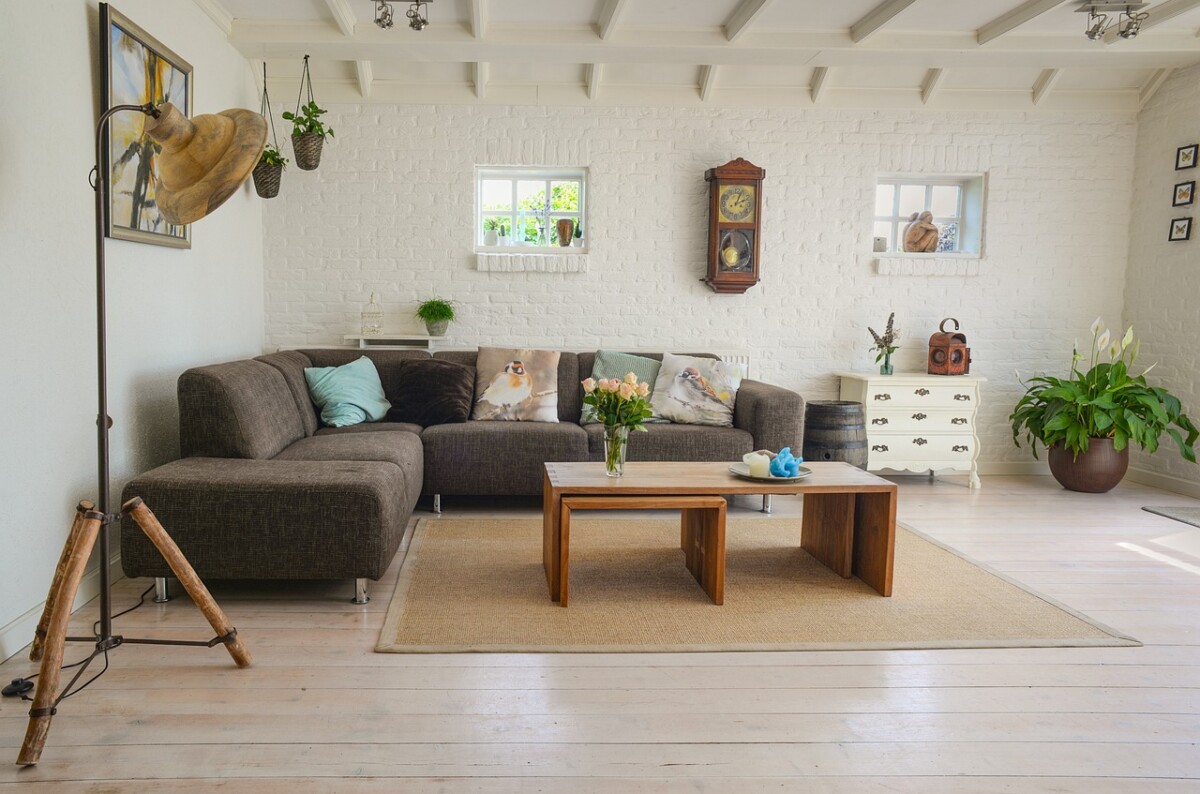
Mastering the art of mixing modern and vintage furniture styles is the hallmark of a sophisticated, lived-in home that avoids the sterile aesthetic of a catalog showroom. By blending contemporary silhouettes with the soulful patina of antique or mid-century pieces, you create a narrative-driven space that feels both personal and timeless. As we move into 2026, the trend toward curated eclecticism has reached new heights, encouraging homeowners to prioritize texture, history, and intentionality over matching sets. This guide provides the foundational principles necessary to achieve a harmonious balance, ensuring that your disparate decor elements speak the same design language. Whether you are incorporating a Victorian heirloom into a minimalist apartment or pairing industrial lighting with retro upholstery, the goal remains the same: creating a cohesive, functional, and visually compelling environment.
The Principle of Visual Balance
Achieving equilibrium in a room filled with contrasting eras requires a keen eye for scale and proportion. When you place a heavy, ornate vintage armoire next to a sleek, low-profile modern sofa, the visual weight must be distributed evenly to prevent the room from feeling lopsided or chaotic. A common mistake is to let one style dominate entirely, which can make the other pieces look like afterthoughts rather than intentional choices. Aim for a 70/30 split, where the dominant style provides the structural foundation and the accent style introduces character. By keeping the color palette consistent across both modern and vintage items, you can bridge the gap between vastly different forms, creating a unified look that feels intentional and curated.
Consider the silhouettes of your furniture pieces as the primary drivers of the room’s energy. Modern design often favors clean lines, geometric shapes, and industrial materials, whereas vintage items frequently showcase intricate carvings, organic curves, and rich wood grains. To make these work together, look for a common denominator such as a shared material, like brass hardware, or a consistent color tone. If you are struggling with placement, try to group items in a way that respects the flow of the room, ensuring that your vintage treasures serve as focal points while your modern essentials provide the necessary utility for contemporary 2026 living. This deliberate placement helps to ground the space while allowing each piece to shine.
Establishing a Unified Color Palette
Color is the most effective tool in your interior design arsenal for tying together items from different centuries. When mixing modern and vintage furniture, selecting a cohesive color scheme acts as the glue that holds the disparate styles together. Neutral backdrops, such as soft whites, warm grays, or earthy terracottas, are excellent for highlighting the unique textures of both vintage wood and modern metal. By limiting your primary palette to three or four shades, you allow the eye to perceive the entire room as a single, harmonious composition. For further reading on color theory in residential design, visit Architectural Digest to understand how hues influence mood and spatial perception.
Once your base palette is established, you can introduce accent colors that appear in both your modern and antique pieces to create a sense of continuity. For example, if you have a mid-century modern credenza with walnut tones, look for modern throw pillows or artwork that incorporate similar warm brown or burnt orange hues. This repetition of color signals to the brain that these objects belong together, regardless of their age or origin. Do not be afraid to use bold shades, but ensure they are distributed throughout the room rather than concentrated in one corner. This strategy ensures that your vintage pieces do not look like lonely relics and your modern items do not feel cold or detached from the rest of the space.
Integrating Texture and Materials
Comparing Material Characteristics
| Material Type | Vintage Characteristics | Modern Characteristics |
|---|---|---|
| Wood | Dark stains, ornate carving, heavy grain | Light oak, matte finishes, sleek edges |
| Metal | Polished brass, wrought iron, patina | Brushed steel, matte black, chrome |
| Textiles | Velvet, damask, heavy wool | Performance linen, bouclé, technical blends |
Texture adds depth and sensory appeal to any room, and it is particularly useful when you are trying to blend different design eras. Vintage furniture often carries the history of its material, whether it is the distressed leather of a 1940s armchair or the intricate grain of an antique mahogany table. Modern furniture, by contrast, frequently utilizes synthetic materials or highly processed surfaces. By mixing these, you create a tactile experience that feels rich and sophisticated. For instance, pairing a glass-topped modern coffee table with a distressed, vintage woven rug creates an immediate contrast that highlights the beauty of both materials, preventing the room from feeling one-dimensional.
Don’t overlook the importance of layering textiles to bridge the gap between styles. A modern, minimalist sofa can be instantly transformed by adding vintage-inspired textiles, such as a hand-woven throw or an antique-style accent pillow. Conversely, an ornate vintage vanity can be updated for a 2026 home office by placing it against a modern, graphic-print wallpaper or pairing it with a sleek, ergonomic task chair. This layering approach allows you to soften the edges of modern architecture while adding a layer of comfort and history that only vintage pieces can provide. The key is to ensure that the textures feel complementary rather than competing for the viewer’s attention.
The Role of Scale and Proportion
Scale is often the silent killer of a cohesive interior design scheme. When mixing modern and vintage furniture, you must ensure that the physical dimensions of your pieces are in conversation with one another. If you fill a room with massive, overstuffed vintage furniture, a tiny, delicate modern side table will simply vanish into the background. Conversely, a large, modern sectional might dwarf a dainty antique chair, making the space feel disjointed. To maintain a professional look, pay close attention to the height of your furniture. Varying heights keep the eye moving across the room, which creates a more dynamic and engaging environment for your guests.
To master this, try to balance heavy, low-profile pieces with taller, airier elements. If your primary seating is a modern, low-slung sofa, consider adding a vintage floor lamp or a tall, slender antique bookshelf nearby to draw the eye upward. This vertical variety prevents the room from feeling stagnant. Additionally, leave enough negative space around your most significant pieces to let them breathe. By not overcrowding your room, you allow your vintage treasures to stand out as statement pieces rather than just clutter. Expert tips on spatial planning can be found at Dwell, which offers excellent advice on how to optimize floor plans for mixed-style interiors.
Curating Through Intentional Editing
The most common mistake beginners make when mixing styles is trying to incorporate too many items at once. A cohesive home is the result of careful curation, not just a collection of cool finds. To keep your home feeling like a sanctuary rather than a museum, you must be willing to edit your collection. If a vintage piece does not serve a function or add significant aesthetic value, it may be better to remove it. Every item in your home should tell a story or serve a purpose. In 2026, the emphasis is on “less but better,” meaning that even if you love a vintage find, it must fit into the broader narrative of your living space.
When you find yourself adding new pieces, evaluate them against your existing furniture. Does this new item share a common color, line, or texture with what you already have? If the answer is no, consider how you might modify it, such as reupholstering a vintage chair in a modern, neutral fabric or painting an antique frame a matte black. These small modifications are often all that is needed to make a vintage item feel right at home in a modern setting. Remember that your home should evolve over time, and it is perfectly acceptable to swap out pieces as your tastes shift. Patience is the ultimate virtue when building a truly personal and cohesive interior.
Strategic Use of Lighting and Art
Lighting and artwork are the final layers that tie a room together, acting as the bridge between disparate eras. Modern lighting fixtures, such as sculptural pendant lights or recessed LED strips, can provide a clean, contemporary contrast to antique furniture. They highlight the craftsmanship of the older pieces while pushing the room into the present. Conversely, incorporating vintage lighting, such as a mid-century brass chandelier or a repurposed industrial lamp, can add a unique focal point to a minimalist room. The interplay between these lighting styles creates a layer of personality that uniform, big-box store lighting simply cannot achieve in a contemporary residence.
Artwork serves a similar function. If your room is filled with modern, minimalist furniture, hanging a large-scale vintage oil painting or a collection of antique sketches can provide a sense of warmth and history. If your space is heavily vintage, modern, abstract photography or minimalist line drawings can help pull the room into the present. The key is in the framing and placement. A modern, thin black frame can make a vintage print feel contemporary, while a traditional gilded frame can add a touch of gravitas to a modern photograph. By treating your art and lighting as stylistic bridges, you ensure that every part of your home contributes to a unified, cohesive aesthetic.
Key Takeaways
- Prioritize a 70/30 split between your primary and accent styles to maintain visual order.
- Use a consistent color palette to unify disparate furniture eras and materials.
- Layer textures carefully to ensure modern, smooth surfaces and vintage, worn materials complement each other.
- Respect the scale and proportion of your furniture to prevent any one piece from dominating the room.
- Edit your collection regularly to ensure every piece serves a clear purpose or adds unique character.
- Use lighting and artwork as the connective tissue that bridges the gap between modern and vintage design.
Frequently Asked Questions
How can I make an antique dresser fit in a modern room?
You can modernize an antique dresser by removing dated hardware and replacing it with sleek, matte black or brass pulls. Alternatively, keeping the wood finish natural while styling the top with modern accessories like a marble tray or a geometric lamp helps bridge the style gap.
Is it okay to mix different types of wood in one room?
Yes, mixing wood tones adds depth, provided you keep the undertones consistent. If you have warm, honey-toned antique wood, try to include other warm-toned woods or neutral elements so that the room feels cohesive rather than chaotic.
What is the easiest way to start mixing styles?
Start with one statement vintage piece in a room that is otherwise modern. This allows you to test the waters without overwhelming the space. Once you feel comfortable, you can slowly add more vintage elements like rugs, lighting, or smaller decor items.
How do I stop my home from looking like a cluttered antique shop?
The secret is negative space. Ensure that you have clear pathways and that your furniture isn’t cramped. By leaving room around your vintage items, you allow them to act as curated focal points rather than just accumulation.
Can I mix different metals throughout my home?
Mixing metals is a great way to add character, but try to limit it to two or three types per room. Keep the finishes consistent, such as using all matte or all polished finishes, to maintain a sense of intentional design across the space.
Conclusion
Mixing modern and vintage furniture is a rewarding design journey that allows you to craft a home with authentic character and depth. By focusing on balance, color, and intentional curation, you can successfully blend the best of both worlds, creating a space that feels both current and timeless. As you experiment with these styles throughout 2026 and beyond, remember that the most important rule is to choose pieces that bring you joy. When you design with intention and confidence, the result is a home that tells your unique story, beautifully bridging the gap between historical charm and contemporary comfort.