


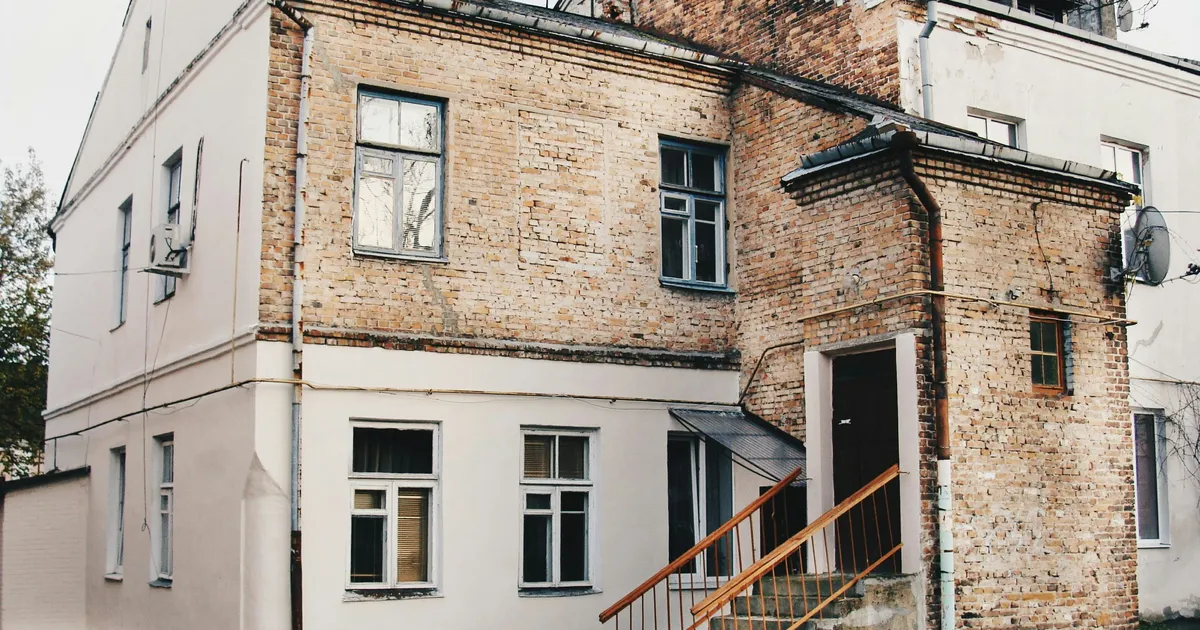
Walking into that grand, neglected Victorian for the first time, I remember feeling an immediate, almost magnetic pull. The peeling paint, the dusty, cobwebbed corners, the faint scent of forgotten memories – most people would see only decay, but I saw a story waiting to be revitalized. It’s this vision, this inherent understanding of a home’s potential, that drives the most successful creative renovation ideas for old homes. Far beyond mere repairs, these projects are about breathing new life into structures that hold decades, sometimes centuries, of history, transforming them into stunning, functional spaces that honor their past while embracing the future. It’s a journey of passion, patience, and often, profound discovery.
Maximizing Light and Openness
One of the most impactful transformations in any old home renovation is the strategic introduction of light and the creation of open, flowing spaces. Many older homes, particularly those from the Victorian or Edwardian eras, were designed with a series of smaller, compartmentalized rooms. While charming, this layout often feels dark and disconnected by modern standards. Thoughtfully removing non-load-bearing walls can instantly open up sightlines, allowing natural light to penetrate deeper into the home and fostering a sense of connectivity between living areas, turning once-stuffy rooms into airy, inviting environments.
Beyond simply knocking down walls, consider how new windows, larger door openings, or even strategically placed skylights can dramatically alter the ambiance. For instance, replacing small, original windows with larger, more energy-efficient ones, or adding French doors that lead to a garden, not only floods a room with sunshine but also creates a seamless transition between indoor and outdoor living. This approach respects the home’s bones while injecting a contemporary sense of spaciousness, making the home feel both grand and intimately connected to its surroundings, a design principle highly valued in 2026.
Reimagining Forgotten Spaces
Old homes often come with delightful quirks: hidden nooks, spacious attics, damp basements, or awkward under-stair areas that are typically relegated to storage or ignored entirely. These forgotten zones present incredible opportunities for creative renovation, allowing you to add significant value and unique functionality without expanding the home’s footprint. Transforming a dusty attic into a bright, airy master suite or a vibrant home office, or converting a musty basement into a cozy media room or an additional guest suite, can dramatically enhance a home’s livability and appeal.
Think beyond conventional uses for these spaces. An under-stair closet could become a compact, yet highly functional, powder room or a charming reading nook with built-in shelves. A deep pantry might be converted into a small, bespoke bar area. These transformations often require careful planning for ventilation, insulation, and structural integrity, but the results are always profoundly satisfying. They demonstrate a deep understanding of the home’s potential, turning overlooked areas into cherished parts of the daily living experience.
Integrating Smart Home Tech Discreetly
While preserving the classic charm of an old home, integrating modern smart home technology is crucial for convenience and efficiency in 2026. The key is subtlety, ensuring that contemporary gadgets don’t detract from the home’s historical aesthetic. Think about smart lighting systems that can be controlled via an app or voice command, yet operate through elegant, period-appropriate switches. Climate control systems can be installed with discrete vents and thermostats that blend seamlessly with the existing decor, optimizing energy use without being an eyesore.
Security systems, often a necessity, can also be integrated thoughtfully. Wireless sensors, doorbell cameras, and smart locks can provide advanced protection without requiring extensive wiring that might damage original plaster or woodwork. Even entertainment systems can be hidden, with speakers built into walls or ceilings and projectors retracting when not in use. The goal is to enjoy all the benefits of a connected home while maintaining the integrity and timeless beauty that makes old homes so special.
Sustainable Upgrades with Character
Renovating an old home offers a unique chance to embed sustainability into its very fabric, not just for environmental benefit but also for long-term cost savings and improved comfort. Upgrading insulation in walls, attics, and floors, for example, makes a dramatic difference in energy efficiency, reducing heating and cooling costs. Replacing old, drafty windows with high-performance, historically appropriate double-paned units can retain character while significantly improving thermal performance. These upgrades are not just about functionality; they’re about making the home more comfortable and healthier for its occupants.
Beyond the basics, consider incorporating more advanced sustainable features. Rainwater harvesting systems can provide water for landscaping, while solar panels can be discreetly installed on roofs or in ancillary structures. One of my favorite approaches is reclaiming and reusing materials: salvaged wood for flooring or custom cabinetry, antique fixtures, or repurposed bricks. This not only reduces waste but also infuses the home with unmatched character and a sense of history, telling a story of thoughtful preservation and responsible stewardship. For more on sustainable practices, the EPA’s green building resources offer excellent guidance.
The Art of Exterior Revitalization
The exterior of an old home is its first impression, a canvas for demonstrating respect for its history while showcasing its renewed vitality. A thoughtful exterior renovation goes far beyond a fresh coat of paint; it involves a holistic approach to curb appeal and structural integrity. Selecting a historically accurate color palette that complements the architectural style is crucial, but don’t shy away from subtle modern twists that enhance its appeal. Repairing or restoring original siding, intricate trim work, and porch details can make a world of difference, bringing back the grandeur that may have been lost over time.
Landscaping plays an equally vital role in framing the home and creating inviting outdoor living spaces. Imagine a dilapidated front yard transformed into a lush garden with native plants, a winding path, and perhaps a restored period fence. Adding or expanding a porch or deck can create a seamless connection between the interior and exterior, offering new areas for relaxation and entertainment. These exterior enhancements not only boost aesthetic appeal but also significantly increase the home’s perceived value and the enjoyment of its inhabitants, especially considering outdoor living trends for 2026.
Personal Touches and Storytelling Interiors
The true magic of renovating an old home lies in how you weave its past into its present, creating interiors that tell a unique story. Rather than stripping away all original features, identify those elements that contribute most to its character – an ornate fireplace, intricate crown molding, original hardwood floors, or a grand staircase – and make them focal points. These preserved details become anchors, grounding the home in its history even as modern conveniences are introduced. It’s about creating a dialogue between the old and the new, allowing each to enhance the other.
Curating decor that reflects both the home’s heritage and your personal style is key. Mixing antique finds with contemporary furniture, incorporating artwork that speaks to the home’s journey, or even showcasing salvaged architectural elements as decorative pieces can create truly bespoke interiors. This approach ensures the home feels lived-in and loved, full of personality and warmth, rather than a sterile museum piece or a generic new build. It transforms a house into a truly unique home, reflecting the layers of its past and the vibrancy of its future.
Key Takeaways
- Embrace the Home’s History: Don’t erase the past; highlight original architectural features, use period-appropriate materials, and let the home’s unique story inform your design choices.
- Prioritize Functionality and Flow: Modern living often requires open, light-filled spaces. Strategically remove walls, enlarge openings, and reconfigure layouts to improve daily living without sacrificing charm.
- Don’t Shy Away from Modern Conveniences: Integrate smart home technology and energy-efficient upgrades discreetly. These advancements enhance comfort, reduce utility costs, and future-proof your home for years to come.
- Sustainability Adds Long-Term Value: Incorporate green building practices, from improved insulation and efficient windows to salvaged materials and renewable energy, contributing to both environmental health and property value.
Frequently Asked Questions
How do I balance preserving character with modernizing an old home?
The trick is thoughtful integration. Identify key historical features you want to highlight and restore them. Then, introduce modern elements like open floor plans or smart tech in a way that complements, rather than clashes with, the existing aesthetic. It’s about creating harmony, not a stark contrast.
What are common pitfalls to avoid in old home renovations?
Underestimating the budget and timeline is common, as old homes often hide surprises like outdated wiring or plumbing. Always get thorough inspections, factor in a contingency fund, and work with contractors experienced in historic properties to mitigate risks.
Is it always more expensive to renovate an old home than to build new?
Not necessarily. While old homes can have unexpected costs, they often come with established infrastructure, unique architectural details, and prime locations that new builds lack. The cost depends heavily on the home’s condition and the renovation’s scope, but the end value often outweighs the investment.
How can I find reliable contractors for old home projects?
Seek out contractors with specific experience in historic renovations or period homes. Ask for portfolios of similar projects, check references thoroughly, and ensure they understand the unique challenges and sensitivities involved in working with older structures. Local preservation societies can be a great resource.
Conclusion
Embarking on creative renovation ideas for old homes is more than just a construction project; it’s an act of passion, a commitment to preserving history while crafting a vibrant future. The before-and-after transformations are often breathtaking, revealing not just a beautifully updated house, but a home brimming with character, comfort, and a renewed sense of purpose. It’s about seeing the potential beneath the patina, and through thoughtful design and dedicated craftsmanship, bringing a cherished piece of the past gloriously into the present, ready to create new memories for generations to come.