


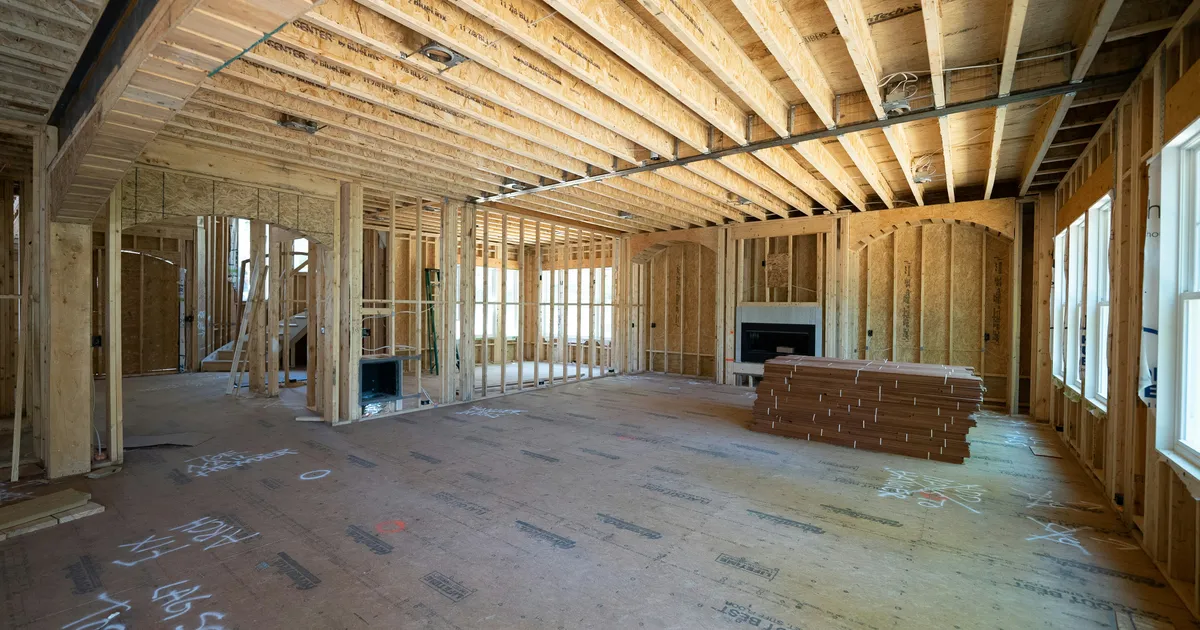
Oh, the thrill of a home renovation! It’s a journey I’ve guided countless homeowners through, and I’ve seen firsthand how pivotal material choices are. I once had a client who, in an effort to save a few dollars, opted for sub-par exterior paint and a cheap laminate countertop. Within two years, the paint was peeling, and the countertop edges were delaminating, costing them significantly more to replace than if they’d invested wisely from the start. This experience solidified my belief: choosing the best construction materials for home renovation, balancing quality with realistic pricing, isn’t just smart – it’s essential for long-term satisfaction and value. It’s about building a home that lasts, feels right, and doesn’t demand constant repairs.
Flooring: The Foundation of Comfort and Style
When you walk into a room, the floor is often the first thing that impacts your perception of quality and comfort. For a durable and aesthetically pleasing choice, engineered hardwood offers the classic warmth of wood with enhanced stability, resisting moisture better than solid planks. Expect to pay anywhere from $8 to $20 per square foot for the material alone, with installation adding $3 to $8. Luxury Vinyl Plank (LVP) or Tile (LVT) is another superstar, especially for high-traffic or moisture-prone areas like kitchens and bathrooms. It’s incredibly resilient, waterproof, and can mimic wood or stone convincingly, typically ranging from $4 to $15 per square foot installed.
For areas demanding ultimate durability and water resistance, such as bathrooms, laundries, or even entire living spaces in warmer climates, ceramic or porcelain tile remains a top contender. Porcelain, being denser, is generally more durable and less porous than ceramic, making it ideal for floors. Prices vary widely based on design and size, from modest $2-$5 per square foot for basic ceramic to $10-$25+ for high-quality porcelain or natural stone looks. While installation costs for tile can be higher due to the labor-intensive grouting and setting, often $5-$15 per square foot, the longevity and low maintenance make it a smart investment that can truly stand the test of time, well into 2026 and beyond.
Countertops: Blending Function and Elegance
Kitchen and bathroom countertops are not just utilitarian surfaces; they are focal points that define the room’s character. Quartz remains a perennial favorite for its non-porous nature, making it highly resistant to stains and bacteria, and requiring virtually no maintenance. It’s an engineered product, offering consistent patterns and a vast array of colors. Expect to budget between $60 and $120 per square foot installed. Natural granite, with its unique patterns and heat resistance, offers a timeless appeal. While it requires periodic sealing, its natural beauty is unmatched, typically costing $50 to $100 per square foot installed, varying greatly with the slab’s rarity.
For those seeking warmth and a more natural feel, butcher block countertops provide a charming, rustic touch. Made from glued wooden strips, they require regular oiling to maintain their beauty and prevent water damage, but can be sanded and refinished for a renewed look. Prices generally range from $30 to $70 per square foot for material, plus installation. On the more budget-friendly end, laminate countertops have come a long way in terms of aesthetics, offering countless patterns that mimic stone or wood at a fraction of the cost—typically $15 to $40 per square foot installed. My personal opinion is that laminate is excellent for rental properties or temporary solutions, but for a forever home, the durability and resale value of quartz or granite are often worth the extra investment.
Exploring Sustainable Countertop Options
As we look towards more eco-conscious renovations, sustainable countertop materials are gaining traction. Recycled glass and paper composite options offer unique aesthetics and contribute to a greener home. Concrete, while having a distinct industrial look, can also be customized with various pigments and finishes. These materials often come with a higher price tag, ranging from $70 to $200+ per square foot installed, largely due to specialized fabrication and installation processes. However, their environmental benefits and distinctive appearance can add significant value and character to your home, aligning with future trends for discerning homeowners.
Walls and Paint: Defining Your Home’s Ambiance
The canvas of your home, walls set the mood and provide the backdrop for your personal style. Standard drywall (gypsum board) is the most common choice, costing about $0.50-$1.50 per square foot for materials and installation. For bathrooms or basements, moisture-resistant green board or even cement board is crucial to prevent mold and water damage, adding a slight premium. When it comes to paint, investing in high-quality, low or zero-VOC (Volatile Organic Compound) options is paramount, not just for a superior finish, but for your family’s health. Premium paints offer better coverage, durability, and washability, saving you time and money in the long run. Expect to pay $40-$80 per gallon for top-tier interior paint.
Beyond standard paint, consider the impact of specialized wall finishes. Wallpaper has made a grand comeback, offering texture, pattern, and depth that paint alone cannot achieve. While material costs can range from $0.50 to $5+ per square foot and professional installation can be significant, the visual transformation is undeniable. Wainscoting or paneling adds architectural interest and protection in high-traffic areas, with material costs for wood or MDF ranging from $5 to $20 per linear foot. I’ve found that carefully chosen wall treatments can elevate a room from ordinary to extraordinary, reflecting a true sense of craftsmanship and thoughtful design.
Windows and Insulation: Energy Efficiency First
Renovating windows and insulation offers one of the most significant returns on investment, primarily through reduced energy bills and enhanced comfort. Modern double-pane windows with low-emissivity (low-E) coatings and argon gas filling dramatically improve thermal performance, keeping your home warmer in winter and cooler in summer. Vinyl frames are the most cost-effective, typically $300-$700 per installed window, while fiberglass and wood options offer greater durability and aesthetic appeal at $600-$1200+. Investing in ENERGY STAR certified windows, as recommended by the EPA, is a no-brainer for long-term savings.
Effective insulation is the unsung hero of home comfort and energy efficiency. Upgrading attic or wall insulation can drastically cut heating and cooling costs. Options like blown-in cellulose ($1-$2 per square foot installed), fiberglass batts ($0.50-$1.50 per square foot installed), or rockwool ($1.50-$3 per square foot installed) are excellent choices. For superior sealing and R-value, spray foam insulation ($3-$7 per square foot installed) provides an airtight barrier, though at a higher initial cost. My advice for any renovation, especially with an eye on 2026 energy standards, is to prioritize a comprehensive insulation strategy; it’s an investment that pays dividends every month.
Roofing: Your Home’s Ultimate Protector
The roof is your home’s first line of defense against the elements, and choosing the right material is paramount for longevity and protection. Asphalt shingles remain the most popular choice due to their affordability and versatility. Architectural shingles, a step up from traditional 3-tab, offer a more dimensional look and improved durability, often lasting 20-30 years. Material and installation costs for architectural shingles typically range from $4 to $8 per square foot. It’s a solid, reliable choice that provides excellent value for most homeowners.
For those seeking superior durability and a longer lifespan, metal roofing is an outstanding investment. While the upfront cost is higher, usually $8 to $20+ per square foot installed, metal roofs can last 40-70 years, are highly resistant to fire, wind, and pests, and can even reduce energy costs. Tile roofing (clay or concrete) offers a distinct Mediterranean or Spanish aesthetic and incredible longevity, often exceeding 50 years, but is heavier and more expensive, ranging from $10 to $30+ per square foot installed. In my experience, for a forever home or in areas prone to severe weather, the lifecycle cost of metal or tile often outweighs the initial investment, providing peace of mind for decades to come.
Key Takeaways
- Prioritize Long-Term Value Over Initial Savings: Opting for slightly more expensive, higher-quality materials like engineered hardwood, quartz countertops, or durable architectural shingles often results in lower maintenance, greater longevity, and better resale value, saving money in the long run.
- Energy Efficiency is a Smart Investment: Upgrading windows to energy-efficient models and enhancing insulation with materials like spray foam or dense-pack cellulose significantly reduces utility bills and improves home comfort, offering excellent ROI.
- Consider Material Lifespan and Maintenance: Different materials require different levels of upkeep. For example, while butcher block adds charm, it needs regular oiling, whereas quartz is virtually maintenance-free. Factor in your lifestyle and willingness to maintain surfaces.
- Balance Aesthetics with Functionality: Every material choice should not only look good but also perform well for its intended use. For instance, LVP is fantastic for high-moisture areas where real wood would warp, proving that beauty and practicality can coexist beautifully.
Frequently Asked Questions
What are the most budget-friendly materials for a full home renovation?
For a budget-conscious renovation, consider laminate flooring ($1.50-$5/sq ft), laminate countertops ($15-$40/sq ft installed), standard drywall ($0.50-$1.50/sq ft installed), and basic interior paint ($30-$50/gallon). For roofing, 3-tab asphalt shingles are the most economical choice ($3-$6/sq ft installed). These options provide a decent aesthetic and functionality without breaking the bank.
How do I balance quality and cost effectively?
My strategy is to “splurge and save.” Invest in high-quality materials for high-impact, high-wear areas like main living area flooring, kitchen countertops, and roofing, as these are difficult and costly to replace. For less critical areas or those that are easily updated, such as guest bathrooms or utility rooms, you can opt for more budget-friendly alternatives without compromising the overall feel of your home.
What materials are best for increasing my home’s resale value in 2026?
In 2026, buyers will continue to value energy efficiency and durable, low-maintenance finishes. High-quality, energy-efficient windows, a long-lasting roof (like architectural shingles or metal), premium kitchen countertops (quartz or granite), and durable flooring (engineered hardwood or porcelain tile) are excellent investments. Also, modern, stylish bathroom fixtures and finishes significantly boost appeal.
Are eco-friendly construction materials always more expensive?
Not always, but often initially. Materials like recycled content insulation or low-VOC paints can be comparable in price to conventional options. However, some advanced eco-friendly choices, such as sustainable wood alternatives or specialized recycled glass countertops, might carry a premium due to their manufacturing processes or niche market. The long-term savings through energy efficiency and durability can often offset higher upfront costs.
Conclusion
Embarking on a home renovation is a significant undertaking, one that can profoundly impact your daily life and your home’s long-term value. By carefully considering the best construction materials, focusing on a thoughtful balance between quality, durability, and realistic pricing, you’re not just building or remodeling; you’re investing in your future comfort and peace of mind. Remember, every dollar spent on quality materials is an investment in a home that will serve you well for years to come, a sanctuary crafted with care and foresight.