


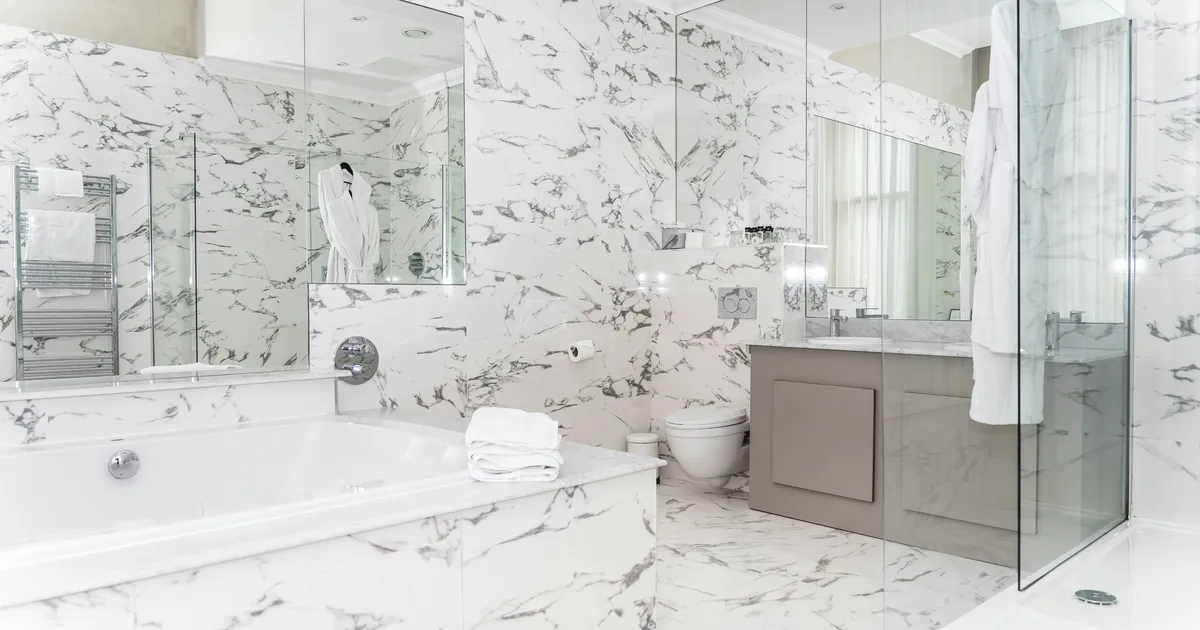
Selecting the best moisture-resistant materials for bathroom and basement renovation projects is the most critical step in ensuring the longevity and structural integrity of your home. Both areas are prone to high humidity, hydrostatic pressure, and potential water infiltration, which can lead to costly mold growth and structural decay if not addressed correctly. By 2026, building standards have shifted toward more resilient, non-porous materials that effectively combat these environmental stressors. Whether you are remodeling a spa-like bathroom or finishing a damp basement, choosing the right substrate, flooring, and wall finish will prevent moisture from becoming a permanent resident. This guide explores the high-performance materials engineered to withstand these demanding conditions, ensuring your investment remains durable, safe, and aesthetically pleasing for many years to come.
Advanced Moisture-Resistant Subflooring
In basement environments, the slab is a direct conduit for ground moisture, making the subfloor the first line of defense. Conventional plywood or oriented strand board (OSB) are generally poor choices, as they act like sponges when exposed to condensation. Instead, professional contractors now favor dimpled plastic subfloor panels. These systems create a physical air gap between the cold concrete and your finished floor, allowing for slight moisture evaporation and preventing trapped humidity from rotting your top layer. The design is essential for maintaining a healthy thermal envelope in below-grade living spaces.
For bathroom renovations, cement backer boards have become the gold standard for subfloors and wall substrates. Unlike traditional drywall, which crumbles when saturated, cement boards are inorganic and do not support mold growth. When combined with a liquid-applied waterproofing membrane, these boards provide an impenetrable seal. This combination is essential for protecting the wooden joists beneath your bathroom floor. By utilizing these specialized substrates, you minimize the risk of floor failure in high-splash areas, ensuring that your tile remains securely bonded to the foundation throughout the life of the home.
Waterproof Wall and Ceiling Solutions
Traditional paper-faced drywall is the enemy of any moisture-prone room. Even water-resistant varieties, often referred to as green board, can eventually succumb to heavy steam or leaks. For 2026 renovations, homeowners are moving toward high-density fiber-reinforced panels or PVC-based wall systems. These materials are inherently hydrophobic, meaning they repel water rather than absorbing it. This is particularly vital in basement bathroom conversions where ventilation might be limited. By installing moisture-proof panels, you eliminate the need for organic materials that serve as a food source for mold and mildew.
When selecting finishing materials, consider the long-term maintenance requirements of your surfaces. Acrylic or fiberglass wall panels are excellent for shower surrounds because they offer a seamless surface, reducing the number of grout lines where water typically infiltrates. If you prefer the look of stone or tile, utilize high-performance epoxy grout, which is non-porous and significantly more durable than standard cementitious grouts. For ceilings, specialized moisture-resistant paint additives and mold-resistant drywall are necessary to prevent peeling and staining caused by rising steam in bathrooms or damp, stagnant air in basements.
Flooring Options for Wet Environments
Choosing the right flooring for moisture-prone areas involves balancing aesthetics with extreme durability. Luxury Vinyl Plank (LVP) has emerged as the premier choice for both basements and bathrooms due to its 100% waterproof core. Unlike hardwood or laminate, which can warp or delaminate when humidity shifts, LVP maintains its structural integrity under extreme conditions. Furthermore, many modern LVP products are designed with antimicrobial backing, adding an extra layer of protection against the damp conditions often found in below-grade spaces. This material provides the warmth and look of natural wood without the high-maintenance risks associated with moisture.
Comparative Analysis of Flooring Materials
| Material | Moisture Resistance | Durability | Maintenance |
|---|---|---|---|
| Luxury Vinyl Plank | Excellent | High | Low |
| Ceramic/Porcelain Tile | Excellent | Very High | Moderate |
| Engineered Hardwood | Low | Medium | High |
| Linoleum | Medium | Medium | Low |
Ceramic and porcelain tile remain the gold standard for bathrooms, particularly when installed with proper waterproofing membranes like those provided by Schluter Systems. Porcelain is less porous than ceramic, making it virtually impervious to water. When selecting tile, ensure that you choose a slip-resistant rating appropriate for wet environments to maintain safety. Regardless of the material chosen, the installation of a moisture barrier underneath the flooring is non-negotiable. Proper sealing of the perimeter and seams prevents water from migrating underneath the finish, which is the most common cause of flooring failures in home renovations.
Mold-Resistant Insulation Strategies
Insulation is often overlooked in basement renovations, yet it is the most critical factor in preventing condensation. In a basement, the temperature differential between the warm interior air and the cold concrete wall frequently leads to dew point formation. If you use fiberglass batts, the insulation can become damp, leading to sagging and mold. Closed-cell spray foam insulation acts as both an insulator and a vapor barrier. It bonds directly to the concrete foundation, preventing air movement and moisture transfer. This method is highly effective for sealing rim joists, where cold air and moisture most commonly enter the home.
If you prefer a more budget-friendly approach, rigid foam board insulation is an excellent alternative. When installed correctly with taped seams and a dedicated vapor retarder, it prevents the warm interior air from reaching the cold basement walls. This eliminates the risk of hidden condensation buildup behind your interior walls. Ensuring that your wall cavities are properly insulated with moisture-proof materials is a fundamental aspect of 2026 building codes. By preventing moisture from entering the wall assembly, you protect the entire structure from rot, ensuring that your basement renovation remains a healthy and comfortable living space for years to come.
Plumbing and Fixture Protection
Beyond the building materials themselves, the protection of your plumbing infrastructure is vital in moisture-prone rooms. In basement projects, all exposed plumbing should be insulated to prevent sweating, which occurs when cold water pipes meet warm, humid air. Pipe insulation also prevents freezing in colder climates, which can lead to catastrophic leaks. When selecting fixtures, opt for high-quality brass or stainless steel valves and fittings. Cheap, plated plastic components are prone to cracking and leaking over time. Ensuring all connections are accessible through discreet, moisture-resistant access panels allows for quick inspection and maintenance before small leaks become major structural issues.
Additionally, consider the installation of water leak detection systems in your basement and bathroom. Smart sensors, which can be integrated into your home network via resources like EPA WaterSense, provide early warnings by sending alerts to your phone if a leak is detected. These devices can also be connected to automatic shut-off valves, which will stop the flow of water entirely in the event of a burst pipe. By combining high-quality materials with modern monitoring technology, you build a resilient defense system that mitigates the risks of moisture damage, giving you peace of mind that your finished project is protected from hidden water hazards.
Key Takeaways
- Prioritize inorganic materials like cement board and PVC to prevent mold growth.
- Use dimpled subfloor systems in basements to allow for airflow and moisture evaporation.
- Select 100% waterproof flooring such as LVP or porcelain tile for high-moisture rooms.
- Choose closed-cell spray foam or rigid foam board to stop condensation behind walls.
- Install smart leak detection sensors to catch plumbing failures before they cause damage.
- Always verify that your chosen materials meet the latest 2026 residential building standards.
Frequently Asked Questions
Can I use standard drywall if I use mold-resistant paint?
No, standard paper-faced drywall should be avoided in bathrooms and basements. Even with mold-resistant paint, the paper surface and gypsum core can still absorb moisture, leading to structural degradation and potential mold growth behind the paint layer.
Is porcelain tile better than ceramic for bathrooms?
Yes, porcelain tile is denser and has a much lower water absorption rate than ceramic tile. This makes it more resistant to moisture, staining, and cracking, which is why it is highly recommended for high-traffic and high-moisture bathroom environments.
Does luxury vinyl plank require a vapor barrier?
While many LVP products are waterproof, installing a dedicated vapor barrier or an underlayment with integrated moisture protection is highly recommended when installing over concrete slabs to prevent hydrostatic pressure from affecting the floor.
Why is closed-cell foam better than fiberglass in basements?
Closed-cell foam creates an airtight vapor barrier that prevents warm, moist air from reaching cold foundation walls, thus stopping condensation. Fiberglass batts are permeable and can trap moisture, leading to insulation saturation and mold issues.
How often should I inspect my basement for moisture?
You should perform a visual inspection of your basement and bathroom plumbing at least twice a year. Check for signs of water staining, musty odors, or peeling paint, and test your leak detection sensors to ensure they are functioning correctly.
Conclusion
Investing in moisture-resistant materials is the foundation of a successful and enduring renovation. By moving away from organic, porous building products and embracing high-performance, hydrophobic alternatives, you ensure that your bathroom or basement remains a pristine, healthy space. As we navigate the building standards of 2026, the integration of advanced substrates, waterproof flooring, and smart detection systems has never been more accessible. By following these professional guidelines, you protect your home’s structural integrity while creating a beautiful, modern environment. Commit to quality materials today to avoid the costly, labor-intensive repairs that come from overlooking the hidden dangers of moisture.