


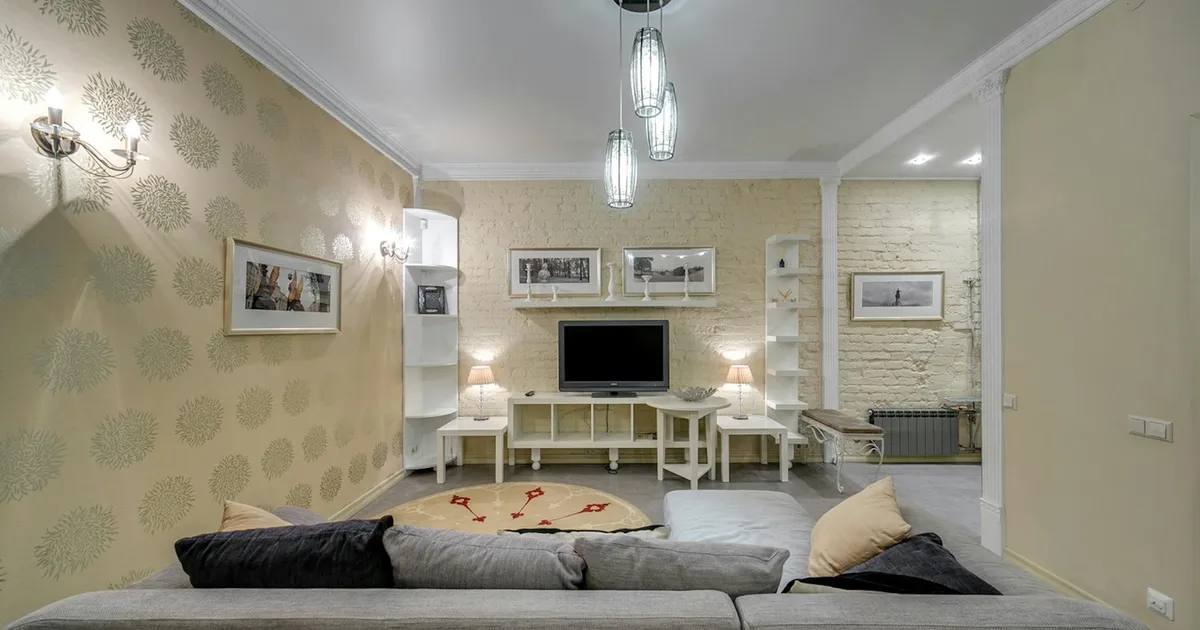
Maximizing natural light in windowless rooms using strategic mirror placement is a sophisticated design technique that transforms claustrophobic spaces into airy, luminous sanctuaries. When natural sunlight is absent, the goal shifts from capturing direct rays to amplifying the ambient light entering from adjacent rooms or hallways. By manipulating reflection angles and spatial depth, you can trick the human eye into perceiving a brighter environment while effectively expanding the visual boundaries of a confined area. In 2026, interior design experts increasingly rely on high-quality reflective surfaces to compensate for poor architectural layouts, ensuring that even the deepest core of a home feels connected to the outside world. This article explores the precise geometry and material choices required to brighten dark interiors through professional-grade mirror applications.
The Physics of Light Reflection
To effectively brighten a windowless space, one must understand that light functions as a wave that obeys the law of reflection. When photons strike a mirror surface, they bounce back at an angle equal to the angle of incidence, allowing you to redirect light from a nearby window into a dim room. Placing a mirror on a wall perpendicular to a light source is often more effective than placing it directly opposite, as it creates a more natural wash of illumination. Professionals often use large-scale, frameless mirrors to eliminate visual clutter, allowing the light to travel uninterrupted across the room. This technique requires careful observation of where light naturally hits walls throughout the day to maximize efficacy.
Beyond simple reflection, the choice of mirror finish significantly impacts how light is diffused or bounced. Antiqued or tinted mirrors may offer aesthetic appeal, but they absorb a portion of the light spectrum, making them counterproductive for brightening. For maximum luminosity in 2026, opt for high-clarity, low-iron glass mirrors which provide a neutral, bright reflection without the greenish tint common in standard glass. You can learn more about architectural lighting principles to better understand how light distribution affects human circadian rhythms, even in spaces without external windows. Properly placed, these mirrors ensure that the limited light available is utilized to its absolute peak potential, creating a sense of openness.
Strategic Placement Techniques
The most effective strategy for amplifying light involves the “bounce-back” method, where a mirror is positioned to capture a beam of light from an opening and cast it into the dark room. If your windowless room shares a doorway with a bright living area, mounting a large floor mirror on the wall opposite the doorway acts as a secondary light source. This creates a virtual window that extends the architecture, effectively doubling the perceived depth of the room. By angling the mirror slightly toward the source, you can direct light into the darkest corners that would otherwise remain in shadow, creating a balanced and inviting atmosphere.
Consider the height of the mirror relative to the incoming light source for the best results. Placing mirrors at eye level often captures the most ambient light, but mounting them higher can help diffuse light more evenly across the ceiling, which reduces stark contrast shadows. This is particularly useful in hallways or basement rooms where ceiling height is limited. According to professional interior design guidelines, mirrors should be kept clean to prevent dust from scattering light rays, which can dull the overall effect. Regularly polished surfaces ensure that the reflective quality remains crisp, maintaining the illusion of a naturally lit space throughout the year.
Advanced Mirror Configurations
For those seeking to maximize light in complex spaces, consider using mirrored furniture or modular panels to create a continuous reflective plane. A series of smaller mirrors arranged in a grid can behave like a large architectural feature, reflecting light from multiple angles simultaneously. This is especially effective in small, windowless bathrooms or walk-in closets. By covering a significant portion of a wall with mirrored panels, you effectively eliminate the “dead wall” effect, pushing the room’s boundaries and creating a dynamic play of light that changes as you move through the space. This approach requires precision in installation to ensure the seams are nearly invisible to the naked eye.
Choosing the Right Mirror Style
The frame of a mirror is just as important as the glass itself when considering light optimization. Heavy, dark, or ornate frames can absorb light and detract from the airy feel you are trying to achieve. In 2026, the trend leans toward minimalist, thin-profile metallic frames or completely frameless designs that vanish into the wall. This allows the reflection to reach the very edge of the mirror without visual obstruction, maximizing the total reflective surface area. Choosing a frame that matches the wall color can further enhance the illusion, making the mirror feel like an integrated architectural element rather than an accessory.
Materiality matters significantly when selecting a mirror for light amplification. Silver-backed mirrors offer the highest reflectivity, making them the gold standard for brightening dark rooms. Avoid plastic or acrylic surfaces, as they lack the clarity required for high-quality light redirection and often distort the reflected image over time. For a more sophisticated look, consider beveled edges, which can catch light and create subtle prismatic effects, adding a touch of elegance to the room. While these edges are primarily decorative, they do contribute to the overall sparkle of the space, making the environment feel more vibrant and less static.
Enhancing Depth and Perspective
Beyond light, mirrors are powerful tools for creating a sense of spatial depth in rooms that feel cramped. A mirror placed at the end of a narrow hallway or a small room tricks the brain into seeing a continuation of the space, which reduces the claustrophobic feeling inherent in windowless rooms. When combined with strategic lighting, this depth perception makes the room feel significantly larger. The key is to avoid placing mirrors directly opposite each other, which can create a disorienting “infinity tunnel” effect, unless that is a specific stylistic choice you desire for a modern, edgy aesthetic.
To further enhance the feeling of openness, pair your mirror placement with light-reflective wall colors. High-gloss or satin-finish paints in soft whites or pale neutrals work in tandem with mirrors to bounce light around the room. This combination is particularly effective in windowless rooms where you want to minimize the presence of dark corners. The mirror acts as the primary engine for light, while the wall finish acts as the canvas, ensuring that the light is distributed throughout the space. By carefully curating the environment surrounding your mirrors, you create a cohesive design that feels intentional and bright, rather than forced or artificial.
Comparing Mirror Types for Light Amplification
| Mirror Type | Reflectivity | Best Use Case |
|---|---|---|
| Low-Iron Glass | Extremely High | Small, dark rooms requiring maximum brightness. |
| Silver-Backed | High | General wall-mounted reflection for ambient light. |
| Antiqued Mirror | Low/Medium | Decorative accents where style outweighs light gain. |
| Acrylic/Plastic | Low | Temporary setups or low-budget DIY projects. |
| Beveled Edge | High | Adding aesthetic depth and subtle light refraction. |
Key Takeaways
- Always prioritize low-iron, high-clarity glass for the most accurate light reflection.
- Mount mirrors perpendicular to light sources to effectively bounce illumination into dark corners.
- Opt for frameless designs to maximize the reflective surface area and minimize visual bulk.
- Combine mirror placement with light-reflective paint colors to amplify the overall brightness.
- Maintain clean, polished surfaces to ensure light is redirected without scattering or dulling.
- Position mirrors at eye level or higher to help diffuse light evenly across the ceiling.
Frequently Asked Questions
Can a mirror actually make a room brighter?
Yes, by redirecting natural light from windows or adjacent rooms, mirrors act as secondary light sources that distribute illumination into dark areas.
What is the best wall to place a mirror on?
The wall perpendicular to an existing light source is usually the most effective for bouncing light deeper into the room.
Do antique mirrors work for brightening?
They are less effective than clear, high-clarity mirrors because the aged finish absorbs more light rather than reflecting it.
How large should the mirror be?
For maximum impact, cover a significant portion of the wall, as larger surfaces capture more light and provide a greater sense of depth.
Does mirror frame color matter?
Yes, dark or heavy frames absorb light, whereas thin or wall-colored frames allow for a seamless reflective surface that maximizes light gain.
Conclusion
Mastering the art of mirror placement is a transformative process that allows you to reclaim windowless spaces and imbue them with life. By understanding the physics of reflection and selecting the right materials, you can successfully bypass architectural limitations to create a brighter, more expansive home. As we move through 2026, the focus remains on light as a fundamental element of wellness and design. Whether you are working with a small basement, a tight hallway, or a central interior room, these strategic applications of light-amplifying mirrors will ensure your living spaces feel open, inviting, and perpetually bathed in a soft, natural glow.