


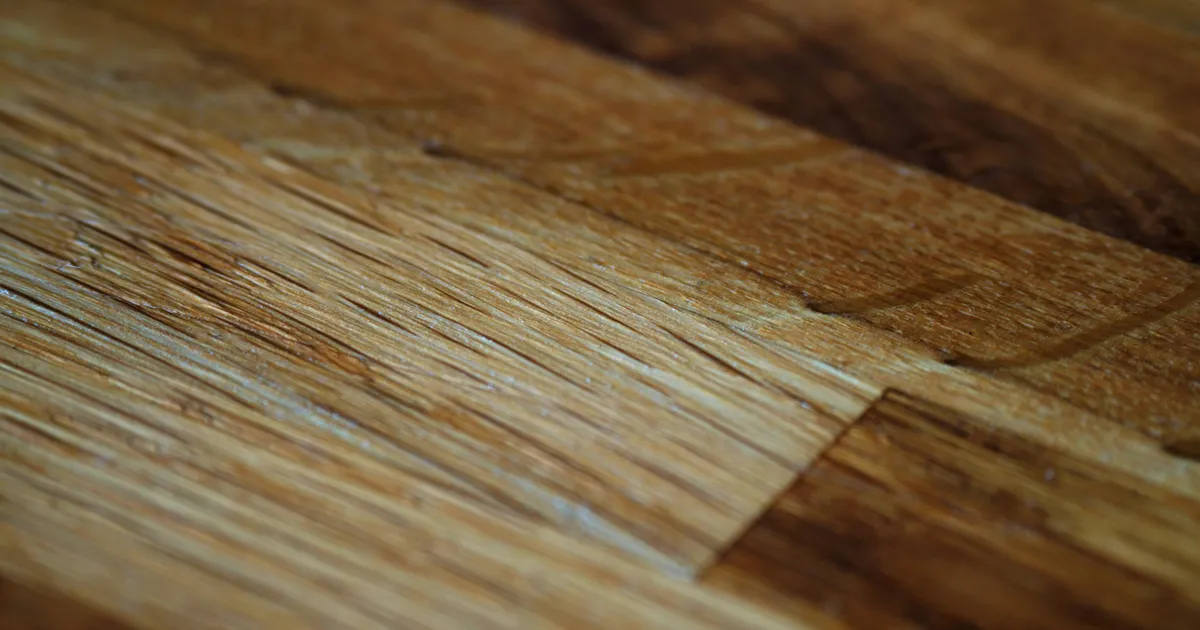
Selecting the ideal flooring for high-traffic areas requires a nuanced understanding of the technical differences between solid hardwood and engineered wood flooring. As we move into 2026, homeowners and designers increasingly prioritize long-term durability and structural integrity when choosing between these two premium materials. While both options offer the timeless aesthetic of natural timber, their construction methods dictate how they perform under the stress of heavy foot traffic, pet claws, and fluctuating environmental conditions. Choosing the wrong material can lead to costly repairs, unsightly gaps, or premature wear, making it essential to evaluate your subfloor, moisture levels, and lifestyle demands before investing. This guide provides a deep dive into the engineering and performance characteristics that define the best flooring solutions for active, modern households.
Structural Composition Differences
Solid hardwood is a single piece of milled timber, typically harvested from domestic or exotic hardwoods. Its structural simplicity is its greatest strength, as it can be sanded and refinished numerous times over several decades. However, because it is a single, dense piece of wood, it is highly reactive to changes in relative humidity and temperature. In high-traffic zones, this constant expansion and contraction can lead to cupping or crowning if the indoor environment is not climate-controlled. This makes solid wood a somewhat temperamental choice for areas prone to extreme environmental swings, despite its undeniable prestige and historical longevity in residential architecture.
Engineered wood flooring, by contrast, is constructed by bonding multiple layers of wood veneer to a high-density core, such as plywood or high-density fiberboard. This cross-ply construction creates a stable platform that is significantly more resistant to warping and expansion than solid planks. For busy hallways or active living rooms, this stability is a major advantage, as the boards remain flat and tight even when subjected to heavy traffic or seasonal humidity fluctuations. By 2026, manufacturers have refined these cores to offer exceptional impact resistance, ensuring that the floor maintains its structural performance without succumbing to the common pitfalls associated with traditional solid timber planks.
Performance in High-Traffic Zones
High-traffic areas demand a floor that can withstand the abrasive nature of dirt, sand, and constant friction. Solid hardwood relies heavily on its surface finish to protect the underlying fibers, but once that finish wears down, the wood itself is vulnerable to deep scratches and dents. While it is possible to sand away these imperfections, the process is disruptive and creates significant dust. For households with pets or young children, solid wood may require more frequent maintenance cycles to keep the surface looking pristine throughout its life cycle. You can learn more about wood maintenance standards through the National Wood Flooring Association.
Engineered wood flooring often incorporates harder wear layers or advanced factory-applied aluminum oxide finishes that provide superior scratch resistance compared to site-finished solid wood. These coatings are cured under UV light, resulting in a finish that is significantly harder and more durable than traditional polyurethane. In high-traffic corridors, this means fewer visible scuffs and a longer period between major maintenance interventions. Furthermore, the inherent stability of the engineered core ensures that the joints remain tight, preventing the accumulation of debris in the gaps that often plagues older solid wood floors after years of heavy use and seasonal movement.
Comparison Table
| Feature | Solid Hardwood | Engineered Wood |
|---|---|---|
| Stability | Low (Reactive to moisture) | High (Resistant to warping) |
| Refinishing | Multiple times | Limited by veneer thickness |
| Installation | Nail/Staple only | Nail, glue, or float |
| Traffic Suitability | Moderate (High maintenance) | Excellent (Durable finish) |
| Subfloor | Wood only | Wood, concrete, or tile |
Moisture and Environmental Stability
The Role of Humidity in Wood Floors
Environmental stability is the single most critical factor when selecting flooring for residential spaces. Solid hardwood is essentially a living material; it breathes and moves in direct response to the moisture content of the air. In a home with significant humidity swings, solid wood can expand or contract to the point where the tongue and groove joints fail, leading to permanent gaps or squeaking. This lack of dimensional stability makes it a risky candidate for basements or high-traffic areas on grade-level concrete slabs where moisture migration is a persistent concern for long-term floor health.
Engineered wood is designed specifically to mitigate the movement caused by atmospheric moisture. The cross-grain lamination process effectively cancels out the natural expansion forces of the wood, resulting in a product that remains stable even when the environment becomes challenging. This is why engineered wood is the industry standard for 2026 installations over concrete subfloors. By providing a stable foundation, it prevents the structural failures that typically force homeowners to replace their flooring prematurely. For more technical data on wood moisture management, visit the Environmental Protection Agency guidelines on indoor air quality and moisture control.
Installation Considerations
Installation methods differ significantly between these two products, impacting both the upfront cost and the long-term feasibility of the project. Solid hardwood requires a wood subfloor and must be nailed or stapled down. This limitation restricts its use in many modern homes that utilize concrete slabs, as installing a plywood subfloor over concrete adds substantial cost and height, which can interfere with door clearances and cabinetry. The labor-intensive nature of solid wood installation also increases the overall project timeline, requiring professional expertise to ensure the boards are correctly acclimated to the home’s specific environment.
Engineered wood offers far more flexibility, allowing for floating, glue-down, or nail-down installations. This makes it an ideal choice for high-traffic areas where subfloor conditions vary. The floating installation method, in particular, allows the floor to expand and contract as a single unit without the risk of buckling. This versatility is a major factor in its popularity for 2026 renovations, as it allows for quicker installation times and compatibility with a wider range of subfloors. Because it can be installed directly over existing hard surfaces like tile or vinyl in some cases, it minimizes the debris and labor associated with full-scale flooring replacements.
Maintenance and Long-Term Value
The long-term value of your flooring investment hinges on maintenance requirements. Solid hardwood is often viewed as a “forever” floor because of its ability to be sanded back to raw wood. While this provides a massive advantage for resale value, the reality of life in a high-traffic zone often means that homeowners prefer the convenience of engineered wood. Today’s engineered planks come with high-performance wear layers that are designed to resist the daily grind of foot traffic without requiring the periodic, invasive sanding cycles that solid wood demands. For those who value time and convenience, the reduced maintenance burden of engineered wood is a clear winner.
However, one must consider the quality of the engineered product. Entry-level engineered floors with thin veneers cannot be refinished, meaning that if the surface is severely damaged, the planks must be replaced. In contrast, premium engineered wood flooring features thick wear layers that allow for at least one or two professional refinishes over the lifespan of the home. When evaluating the cost-benefit analysis, professional-grade engineered wood provides the best of both worlds: the beauty and value of natural wood with the structural performance required for the modern, high-traffic home environment.
Key Takeaways
- Solid hardwood is a single piece of timber, while engineered wood features a multi-layer cross-ply core.
- Engineered wood offers superior dimensional stability, making it ideal for concrete subfloors and humid climates.
- Solid hardwood allows for multiple refinishing cycles, whereas engineered wood depends on veneer thickness.
- High-traffic areas benefit from the factory-applied, hardened finishes found on modern engineered wood products.
- Engineered wood provides greater installation versatility, including floating and glue-down options for various subfloors.
- Choosing between the two requires balancing your preference for long-term refinishing against the need for immediate durability.
Frequently Asked Questions
Can I install solid hardwood in a basement?
No, installing solid hardwood in a basement is strongly discouraged due to the risk of moisture migration through concrete, which can cause severe warping and cupping.
Does engineered wood look like real wood?
Yes, high-quality engineered wood features a top layer of genuine hardwood, making it visually indistinguishable from solid wood once installed in a room.
Which floor is better for pets?
Engineered wood is generally superior for pets because its hard, factory-applied finishes provide better scratch resistance than the softer finishes typical of site-finished solid wood.
How often should I refinish my floors?
Solid hardwood can be refinished every 10 to 15 years, while engineered wood may only be refinished once or twice depending on the thickness of its top wear layer.
Is engineered wood more expensive than solid wood?
Prices vary by species and grade, but generally, high-end engineered wood can be just as expensive as solid hardwood due to the complex manufacturing process involved.
Conclusion
Ultimately, the choice between solid hardwood and engineered wood flooring for high-traffic areas depends on your specific environmental conditions and your long-term maintenance expectations. While solid hardwood remains the gold standard for traditionalists who value the ability to refinish wood repeatedly over generations, engineered wood provides the structural reliability and scratch resistance needed for the demands of 2026 living. By selecting a high-quality engineered product with a thick wear layer, you can achieve the aesthetic warmth of natural timber while enjoying the peace of mind that comes with superior durability. Analyze your subfloor and lifestyle needs carefully to ensure your investment stands the test of time.