


Have you ever walked into a beautifully designed room, felt an immediate sense of calm or inspiration, and then dismissed the idea for your own home, thinking it must have cost a fortune? I certainly did, early in my career, convinced that stylish interiors were exclusively for those with unlimited budgets. It took years of exploring flea markets, mastering paint swatches, and a deep dive into sustainable living to realize that exceptional design isn’t about how much you spend, but how smartly you spend it. This article will provide invaluable budget interior design tips for beginners, proving that you can create a space that feels both luxurious and uniquely yours without breaking the bank.
Start with a Vision, Not a Shopping List
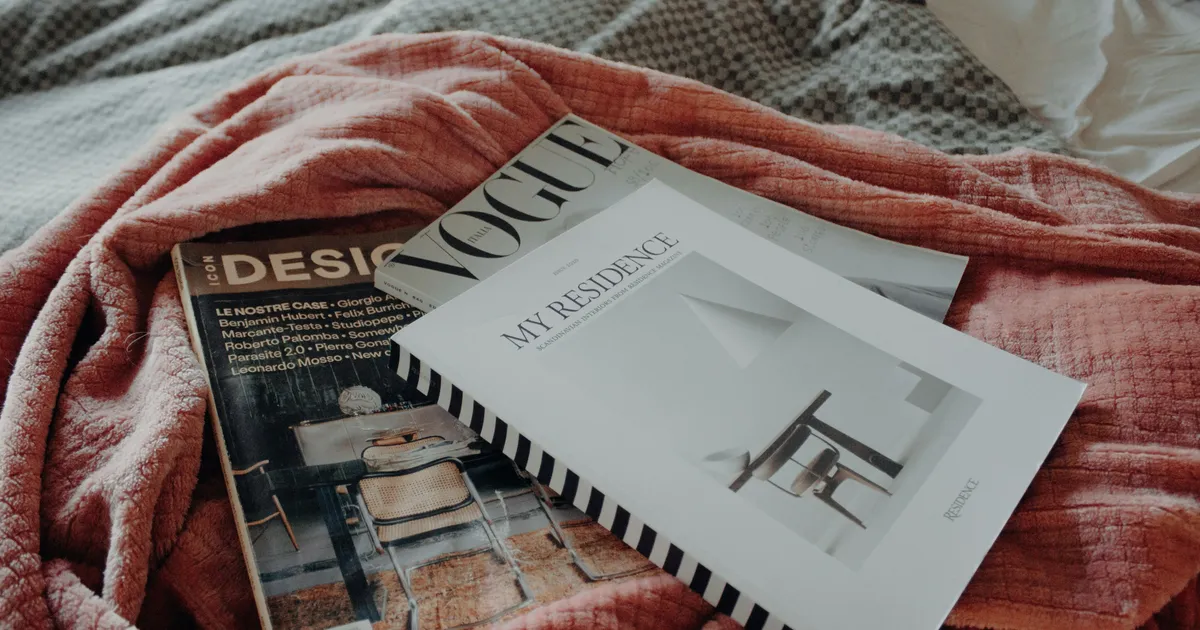
Before you even think about buying a single item, take a moment to truly understand what you want your space to feel like. This foundational step is crucial for beginners looking to maximize their budget. Spend time curating inspiration boards, whether on Pinterest or with physical magazine clippings, to pinpoint your preferred aesthetic. Are you drawn to minimalist Scandinavian lines, cozy bohemian textures, or classic timeless elegance? Identifying your core style prevents impulse purchases and ensures every item you eventually acquire contributes cohesively to the overall look and feel of your home. This focused approach saves both time and money in the long run.
Understanding your lifestyle is just as important as defining your aesthetic. Do you entertain frequently, need a dedicated workspace, or have pets and children to consider? Your design choices must cater to these practical needs while reflecting your personal taste. Think about the functionality of each room and how you intend to use it daily. For example, a busy family might prioritize durable, easy-to-clean fabrics over delicate ones, even if the latter appear more stylish initially. Prioritizing practicality ensures your stylish choices are also sustainable and enjoyable for years to come, making your budget stretch further.
Clever Sourcing and DIY Magic
The secret to a high-end look on a low budget often lies in where and how you acquire your furnishings. Forget brand-new, mass-produced items for every piece. Embrace the thrill of the hunt at thrift stores, flea markets, and online marketplaces. You’d be amazed at the quality and character you can find in pre-loved furniture, often made with superior craftsmanship compared to many modern pieces. Look past outdated upholstery or a dull finish; focus on good bones and potential. These hidden gems can be transformed with a little effort, becoming unique focal points that tell a story.
Don’t underestimate the power of a do-it-yourself (DIY) approach. A fresh coat of paint can revive an old dresser, new hardware can modernize a cabinet, and re-upholstering a chair can give it a completely new lease on life. Even simple projects, like creating your own artwork or sewing custom throw pillow covers, add a personal touch that store-bought items simply can’t replicate. Learning basic DIY skills not only saves money but also instills a sense of pride in your home. Platforms like Hunker.com offer fantastic tutorials for beginners looking to tackle their first home projects, helping you achieve stylish results in 2026.
Upcycling: The Ultimate Budget Hack
Upcycling takes DIY to another level, transforming discarded items into something new and functional. An old ladder can become a stylish blanket display, pallet wood can be fashioned into a headboard, or vintage suitcases can stack up as an eclectic side table. This approach is incredibly sustainable and allows for truly unique pieces that reflect your creativity. It’s about seeing potential where others see trash, and it’s a core philosophy for budget-conscious interior design that prioritizes individuality and environmental responsibility.
Mastering Paint and Lighting
Few things have as dramatic and cost-effective an impact on a room as a fresh coat of paint. Color choice can completely alter the mood, perceived size, and overall aesthetic of a space. For beginners, choosing a neutral base (think warm whites, soft grays, or subtle beiges) provides a versatile backdrop that allows you to introduce color through accessories, which are much easier and cheaper to change. Don’t shy away from accent walls if you want to add a pop of drama; a single wall painted in a bold hue can make a significant statement without overwhelming your budget.
Lighting is another crucial element that often gets overlooked but can transform a room’s ambiance. Layering different types of light—ambient (general room lighting), task (for specific activities), and accent (to highlight features)—creates depth and warmth. Instead of expensive fixtures, consider affordable lampshades, LED strip lights, or even smart bulbs that allow you to change color and intensity. Strategic lighting can make even the simplest decor feel more sophisticated and inviting, effectively elevating your budget interior design efforts.
Accessorize with Purpose and Personality
Once the larger elements are in place, accessories are where your personality truly shines, and they don’t have to be expensive. Focus on items that evoke joy, tell a story, or serve a purpose. Think about textiles like throw pillows, blankets, and curtains to add texture and color. These are relatively inexpensive to update and can dramatically change a room’s feel. Grouping items in odd numbers (like three vases of varying heights) creates a more visually appealing arrangement than symmetrical pairs, a trick often used by professional designers.
Art doesn’t have to be gallery-bought. Create your own abstract pieces, frame fabric swatches, or print high-quality digital downloads. Plants, too, are an incredibly affordable way to bring life, color, and a sense of freshness into any space. Consider easy-care varieties for beginners. Mirrors are another fantastic budget-friendly accessory; they reflect light, make a room feel larger, and add a touch of elegance. Carefully chosen accessories elevate your budget interior design from merely functional to truly inspiring.
The Power of Decluttering and Organization
Perhaps the most budget-friendly and impactful design tip of all is to declutter and organize your space. A cluttered room, no matter how expensive its furnishings, will never feel stylish or serene. Begin by ruthlessly culling items you no longer love, use, or need. Adopt a “one in, one out” policy to maintain order. Once decluttered, invest in smart storage solutions that are both practical and aesthetically pleasing. Baskets, decorative boxes, and multi-functional furniture (like ottomans with storage) can hide unsightly items while adding to your decor.
Organization isn’t just about hiding things; it’s about creating systems that make your daily life easier and your home more enjoyable. Labeling shelves, using drawer dividers, and creating designated spots for common items significantly reduces visual noise and stress. A well-organized space feels more spacious, more intentional, and inherently more stylish. This fundamental step is free, yet it lays the groundwork for any successful budget interior design project, ensuring your efforts in 2026 result in a truly harmonious living environment. For further insights into practical home organization, check out resources like Better Homes & Gardens.
Key Takeaways
- Define Your Style Early: Before buying anything, create a vision board and understand your lifestyle needs to avoid costly impulse purchases and ensure a cohesive design.
- Embrace Smart Sourcing & DIY: Leverage thrift stores, online marketplaces, and upcycling to find unique, character-filled pieces that can be transformed with a bit of paint or new hardware, saving significant money.
- Strategic Use of Paint & Lighting: These are the most impactful and affordable tools for changing a room’s mood and perceived size. Use neutral bases and layered lighting to create depth and ambiance.
- Thoughtful Accessorizing: Personalize your space with textiles, plants, mirrors, and DIY art. Group items creatively and prioritize pieces that add character and function without breaking the bank.
Frequently Asked Questions
What are the absolute essentials to buy first on a tight budget?
Focus on foundational pieces that serve a primary function and will anchor the room. A comfortable sofa, a functional bed frame, and basic lighting are usually top priorities. After that, look for multi-functional items like storage ottomans or shelving units that can adapt as your needs evolve.
How can I make a small room feel bigger without spending much?
Light paint colors, strategically placed mirrors, and avoiding oversized furniture are key. Maximize natural light, keep clutter to a minimum, and use vertical space with tall, narrow shelving. Consider furniture with exposed legs to create an airy feel, and avoid heavy, dark drapes that block light.
Is it worth investing in a few expensive pieces if my budget is limited?
Absolutely, but choose wisely. Investing in one or two high-quality, timeless pieces—like a well-made sofa or a sturdy dining table—can elevate the entire room and last for decades. Balance these with more affordable, changeable accessories and DIY projects. This approach ensures durability where it matters most, allowing you to save on items that can be easily updated.
Where can I find affordable, stylish art for my walls?
Look beyond traditional galleries. Etsy offers digital prints you can print and frame yourself, often for under $10. Thrift stores frequently have interesting frames that can house your own creations, or even unique vintage paintings. Consider creating abstract art yourself, or displaying meaningful photographs or postcards. Even a beautifully framed piece of patterned fabric can serve as compelling wall art. You might even find inspiration for free at The Metropolitan Museum of Art’s digital collection.
Conclusion
Embarking on a budget interior design journey for beginners is not about sacrificing style, but about embracing creativity, resourcefulness, and intentionality. By defining your vision, seeking out unique finds, leveraging paint and light, and personalizing with purpose, you can craft a home that feels genuinely luxurious and deeply reflects who you are. Remember, the most stylish homes are those that tell a story, and yours is waiting to be told, one smart design choice at a time. Your dream space is within reach, no matter your budget.