


I once had a client, a young professional living in a small city apartment, who felt overwhelmed by their space. Every corner seemed to fight for attention, and the colors clashed in a way that left them feeling constantly agitated. We started from scratch, not with a complete overhaul, but by focusing on the fundamentals of how to design your home interior with simple layout and color combinations. The transformation was astounding: a cluttered, chaotic studio became a serene, functional haven, proving that elegant design doesn’t require a massive budget or complex schemes, but rather thoughtful planning and a keen eye for simplicity. This experience solidified my belief that anyone can create a beautiful, harmonious home, regardless of its size or current state, by mastering a few core principles.
Embracing the Essence of a Simple Layout
The foundation of any beautiful home, especially one aiming for simplicity, begins with its layout. Think of your space as a canvas; before you add color or detail, you need a clear, functional structure. This means critically assessing traffic flow, ensuring pathways are unobstructed, and grouping furniture logically according to its purpose. For example, a living room should have a natural conversation area, while a dining space needs clear access around the table. My personal mantra is: if it doesn’t serve a purpose or bring joy, it’s contributing to visual clutter, which actively works against a simple layout.
Achieving a simple layout often involves a ruthless decluttering process, but it’s incredibly liberating. By removing excess items, you allow the essential pieces to breathe and shine. Consider multi-functional furniture, like an ottoman with storage or a console table that doubles as a workspace, to maximize utility without adding bulk. The goal isn’t emptiness, but rather intentionality. A well-designed simple layout creates an immediate sense of calm and order, making your home feel more spacious and inviting, a true sanctuary in the bustling world of 2026.
The Art of a Cohesive Color Palette
Color is arguably the most powerful tool in your interior design arsenal, capable of transforming mood and perception with remarkable ease. For a simple aesthetic, restraint is key. I often advise clients to select a primary neutral color for walls – think warm grays, soft whites, or muted beiges – as a calming backdrop. This allows your larger furniture pieces and carefully chosen accents to stand out without competing. A cohesive palette usually sticks to 2-3 main colors, ensuring visual harmony across different rooms, creating a seamless flow that guides the eye naturally.
Choosing Your Dominant Hue
When selecting your dominant hue, consider the existing light in the room and the emotional impact you desire. Cool tones like blues and greens tend to evoke tranquility, making them ideal for bedrooms and bathrooms, while warmer tones such as soft yellows or subtle oranges can inject energy and coziness into living areas or kitchens. Don’t be afraid to experiment with paint swatches on your wall for a few days to see how the color shifts with natural and artificial light before making a final decision. This thoughtful approach ensures your chosen color truly enhances the space.
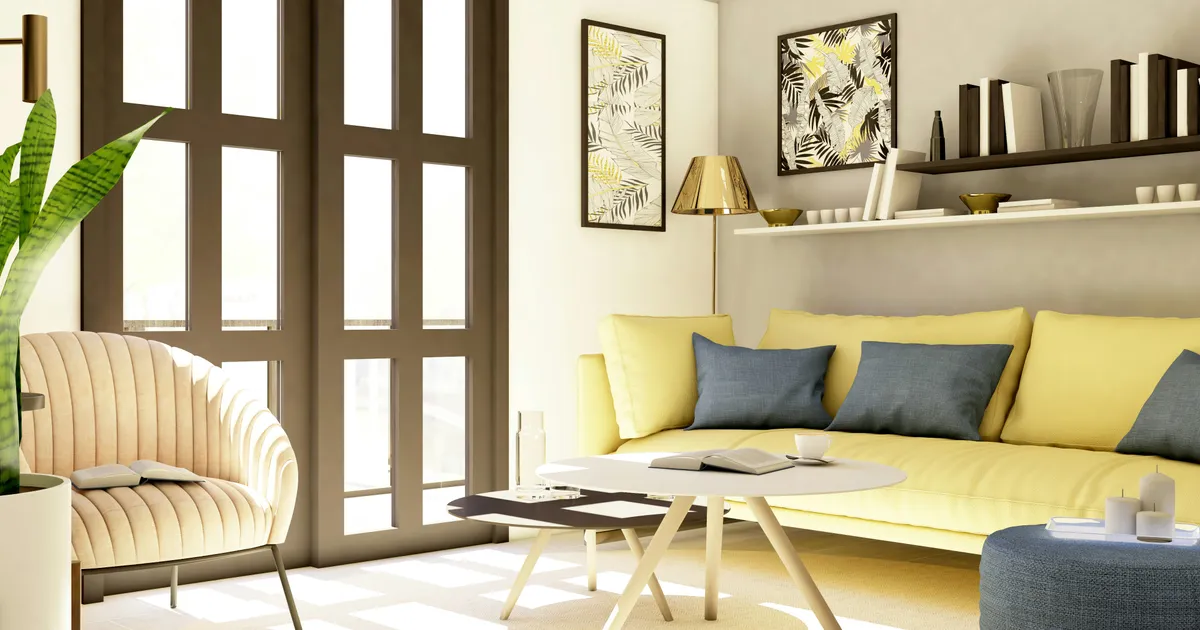
Once your primary neutral is established, introduce one or two accent colors through textiles, artwork, or smaller decorative items. These accents should complement, not overpower, your main palette. For instance, if your walls are a soft grey, you might introduce deep teal or mustard yellow cushions for a pop of personality. This measured approach to color prevents visual chaos and ensures that every element feels intentionally placed, contributing to an overall sense of refined simplicity. It’s about creating depth and interest without creating a riot of competing shades.
Maximizing Light and Visual Space
Light, both natural and artificial, profoundly impacts how spacious and inviting a home feels. Maximizing natural light is paramount when striving for a simple aesthetic. Keep window treatments minimal – think sheer curtains or blinds that can be pulled back completely – to allow sunlight to flood into your rooms. Strategically placed mirrors can also work wonders, reflecting light and creating the illusion of greater depth and space. This simple trick is incredibly effective, especially in smaller rooms or hallways, instantly brightening and expanding the visual footprint.
Beyond natural light, thoughtful artificial lighting can enhance your simple layout and color combinations. Layered lighting, incorporating ambient, task, and accent lighting, adds depth and functionality. Instead of a single overhead fixture, consider lamps at various heights to create warm, inviting pools of light. Dimmers are a fantastic investment, allowing you to adjust the mood and intensity for different times of day or activities. Remember, good lighting can make even the most modest space feel luxurious and expansive, highlighting your chosen elements beautifully.
Strategic Furniture Selection and Placement
The furniture you choose and how you arrange it are critical components of a simple and functional interior. Opt for pieces with clean lines and unfussy designs that don’t visually hog space. Overstuffed, bulky furniture can quickly overwhelm a room, especially if you’re aiming for an airy feel. Prioritize quality over quantity; a few well-chosen, comfortable pieces are far more effective than a room crammed with lesser items. When considering new pieces, such as a sofa, think about its scale relative to the room and whether it truly serves its purpose without dominating.
Placement is equally important. Avoid pushing all furniture against the walls; instead, float pieces away from the perimeter to create more intimate conversation areas and improve flow. For example, pulling a sofa a few inches from the wall can make a room feel larger and more intentional. Consider the negative space around each item – this “breathing room” is essential for a simple, uncluttered look. For more detailed insights on furniture arrangement, resources like Architectural Digest offer excellent guidance on maximizing small spaces in 2026.
Personalizing with Purposeful Accents
A simple interior doesn’t mean a sterile one; it means every accent piece is chosen with intention and purpose. This is where your personality truly shines through without disrupting the serene balance. Think about adding texture through throw blankets, decorative pillows, or a unique rug to add warmth and interest. Artwork should be carefully curated, perhaps a large statement piece or a gallery wall with a consistent theme, rather than many small, disparate items that create visual noise.
Embrace natural elements like potted plants or fresh flowers to bring life and vibrancy into your home. These organic touches soften hard lines and add a refreshing pop of color or texture. Books, displayed neatly, can also serve as both personal statements and decorative elements. The key is to select items that resonate with you, tell a story, and contribute positively to the overall aesthetic without adding clutter. Each accent should feel like a deliberate choice, enhancing the space rather than merely filling it, aligning with the principles of how to design your home interior with simple layout and color combinations.
Key Takeaways
- Prioritize Layout for Flow and Functionality: Begin by decluttering and arranging furniture to create clear pathways and defined activity zones, ensuring every piece serves a purpose and contributes to an open, inviting atmosphere.
- Embrace a Restrained, Cohesive Color Palette: Select a neutral base color for walls and introduce 1-2 complementary accent colors through textiles and decor. This creates visual harmony and prevents the space from feeling chaotic.
- Maximize Natural Light and Strategic Lighting: Utilize minimal window treatments and reflective surfaces like mirrors to amplify natural light. Supplement with layered artificial lighting, including dimmers, to enhance mood and functionality.
- Choose Furniture with Clean Lines and Purpose: Opt for multi-functional pieces and those with simple designs that don’t overwhelm the room. Arrange them thoughtfully, allowing for breathing room and creating intimate conversation areas.
Frequently Asked Questions
How can I make a small room feel larger with simple design?
To make a small room feel larger, focus on a light, neutral color palette for walls, minimal window treatments to maximize natural light, and strategically placed mirrors to reflect light and create depth. Choose furniture with clean lines and legs that allow light to pass underneath, avoiding bulky pieces. Clear clutter ruthlessly, ensuring every item has a designated place.
What are the best color combinations for a calming home environment?
For a calming home, consider monochromatic or analogous color schemes. Soft blues, muted greens, and gentle grays paired with creamy whites or light beiges are excellent choices. These colors evoke tranquility and serenity. You can introduce subtle warmth with natural wood tones or very soft yellow accents, but keep the overall palette subdued.
Is it possible to achieve a simple interior design on a tight budget?
Absolutely! A simple interior design is often more budget-friendly than complex schemes. Focus on decluttering first, as it costs nothing. Repurpose existing furniture with new paint or upholstery. Shop for second-hand pieces with good bones. Use paint strategically, as it’s a high-impact, low-cost update. Prioritize quality over quantity for key items, and accessorize minimally with natural elements or DIY art.
How do I start designing my home interior if I’m overwhelmed?
Begin by tackling one room at a time, or even just one wall. Start with decluttering, removing everything that doesn’t belong. Then, decide on a primary function for the space. Choose a neutral wall color you love, and then gradually introduce furniture and accessories. Don’t feel pressured to finish everything at once; design is an iterative process. Resources like House Beautiful can provide inspiration for getting started.
Conclusion
Designing your home interior with simple layout and color combinations isn’t just about aesthetics; it’s about creating a living space that supports your well-being. By embracing thoughtful decluttering, a cohesive color palette, strategic lighting, and purposeful furniture choices, you can transform any room into a serene and functional sanctuary. Remember, simplicity doesn’t equate to boredom; it allows your most cherished items and personal style to truly shine, fostering an environment of calm and clarity that you’ll cherish for years to come.