


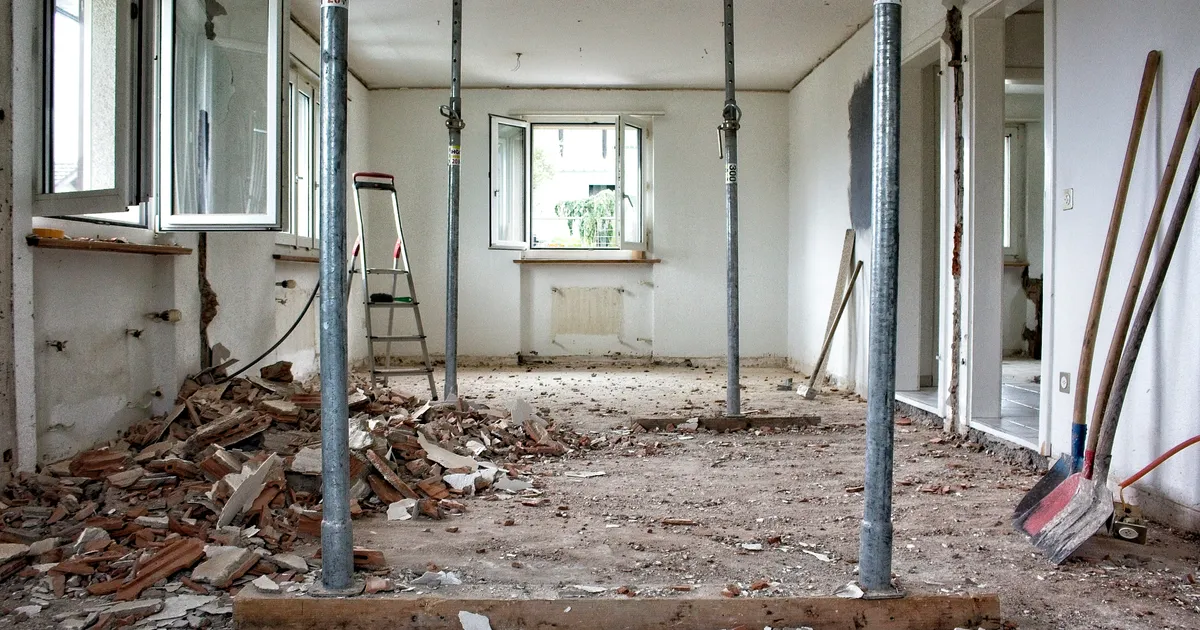
It’s funny how often we overlook the profound impact of our immediate surroundings. I remember helping my sister transform her cramped, poorly lit kitchen into a bright, inviting space with just a few strategic changes – a fresh coat of paint, under-cabinet lighting, and a clever pull-out pantry. The difference was night and day, not just aesthetically, but in how she felt preparing meals and hosting guests. This experience cemented my belief that you don’t need a massive budget or a complete overhaul to significantly improve your home. Instead, focusing on simple renovation plans can unlock remarkable design and functionality enhancements, making your living environment more enjoyable and efficient without the stress of a major project.
Embrace the Power of Paint and Lighting
Few elements offer such a dramatic return on investment as a fresh coat of paint. It’s truly transformative. A carefully chosen color palette can instantly update a room, making it feel larger, brighter, or more serene, depending on your goal. Lighter, neutral tones are often recommended for opening up smaller spaces, reflecting natural light and creating an airy feel. Don’t shy away from a bold accent wall, however; it can introduce personality and a focal point without overwhelming the room, offering a fantastic way to experiment with current trends without committing to a full-room color change.
Beyond color, lighting is perhaps the most underrated aspect of home design. Thoughtful lighting schemes can dramatically alter a room’s ambiance and utility. Instead of relying on a single overhead fixture, consider layering light sources: ambient, task, and accent lighting. Adding dimmer switches allows you to adjust the mood, while strategically placed lamps can highlight architectural features or provide focused illumination for reading nooks. This seemingly small adjustment can completely revolutionize how you perceive and interact with your living spaces, making them more adaptable and comfortable.
Smart Storage Solutions for Every Room
Clutter is the enemy of functionality and good design, and it’s a battle many homeowners face daily. Implementing smart storage solutions is one of the most impactful simple renovation plans you can undertake. Think vertically: tall, narrow shelving units, wall-mounted cabinets, and even pegboards can utilize previously wasted space. Built-in shelving or custom cabinetry, while a slightly larger investment, can be tailored to your specific needs, seamlessly integrating storage into your home’s aesthetic and eliminating visual noise.
Consider multi-functional furniture that conceals storage, such as ottomans with lift-top lids, beds with built-in drawers, or benches with hidden compartments. These pieces are invaluable, especially in smaller homes, providing practical storage without sacrificing floor space or style. Organizing your existing storage, like pantries and closets, with dividers, bins, and pull-out shelves also makes a huge difference. A well-organized home is not only more aesthetically pleasing but also significantly more efficient and less stressful to live in, making daily routines smoother and more enjoyable for everyone.
Clever Furniture Choices
Choosing furniture wisely is paramount, especially when space is at a premium. Opt for pieces that serve multiple purposes or have a light visual footprint. For instance, a nesting coffee table offers flexibility, allowing you to expand your surface area when entertaining and condense it for everyday living. Transparent materials like glass or acrylic for tables and chairs can make a room feel more open and less crowded, as they don’t block visual flow. Prioritizing quality over quantity ensures longevity and better integration into your overall design scheme.
Enhancing Kitchen and Bathroom Functionality
The kitchen and bathroom are often the most used rooms in any home, making their functionality paramount. Simple upgrades here can have a colossal impact. In the kitchen, focus on improving workflow: adding pull-out drawers for pots and pans, installing a new faucet with a sprayer for easier cleaning, or updating cabinet hardware for a fresh look. A new backsplash can instantly modernize the entire space without the cost or disruption of a full remodel. You might even consider a portable island for extra counter space when needed.
For bathrooms, small changes like replacing an outdated vanity, installing a low-flow toilet, or upgrading to a rain showerhead can significantly enhance both aesthetics and daily comfort. Maximizing storage is key; consider recessed shelving in the shower, a medicine cabinet with integrated outlets, or over-the-toilet storage units. These thoughtful additions not only make these essential spaces more pleasant to use but also contribute to a more organized and efficient household, proving that even minor adjustments can yield substantial benefits for your daily routine.
Boosting Curb Appeal and Outdoor Spaces
Don’t underestimate the power of your home’s exterior to create a welcoming first impression. Simple renovation plans for curb appeal can involve tasks like painting the front door a vibrant color, replacing outdated light fixtures, or upgrading your house numbers to a more modern style. Landscaping plays a crucial role; well-maintained flower beds, neatly trimmed hedges, and a clean pathway immediately elevate your home’s appearance. Consider adding potted plants or a small bench near the entrance for an inviting touch that beckons visitors inside.
Extending your living space outdoors is another fantastic way to improve functionality. Even a small patio or balcony can be transformed into an inviting oasis with the right approach. Add comfortable seating, string lights for ambiance, and weather-resistant rugs to define the space. Planters with herbs or colorful flowers bring life and a sense of calm. For those looking ahead to 2026, creating versatile outdoor zones that can adapt to different uses, from dining al fresco to quiet contemplation, is a growing trend. These efforts not only enhance your enjoyment but also potentially increase your home’s value, as noted by resources like HGTV’s exterior upgrade advice.
Optimizing Home Layout and Flow
Sometimes, the greatest improvements come from rethinking how you use your existing space. Simple adjustments to furniture placement can dramatically improve a room’s flow and perceived size. Instead of pushing all furniture against walls, try creating conversation areas or floating pieces to define zones within an open-concept layout. Consider removing non-load-bearing walls or doorways to create a more open feel, but always consult with a professional before altering any structural elements, as advised by reputable sources like This Old House.
Another often-overlooked aspect of layout is decluttering and organizing. A less cluttered home naturally feels more spacious and functional. Reviewing your belongings and letting go of items you no longer need or use can be incredibly liberating. This process, often inspired by methods such as the KonMari method, not only clears physical space but also mental space, allowing you to appreciate your home more fully. For 2026, the focus remains on intentional living and creating versatile spaces that adapt to changing needs, so a thoughtful layout is more important than ever.
Key Takeaways
- Strategic Paint & Lighting Changes: A fresh coat of paint and layered lighting can drastically alter a room’s mood and perceived size, offering a high return on a relatively small investment. Experiment with accent walls and various light sources for maximum impact.
- Maximize Storage & Minimize Clutter: Utilize vertical space, multi-functional furniture, and organized systems to keep your home tidy and efficient. Decluttering is a foundational step that enhances both aesthetics and daily functionality, making your home feel more spacious.
- Focus on High-Impact Rooms: Small upgrades in kitchens and bathrooms, like new fixtures, backsplashes, or improved storage, can significantly enhance daily living. These areas are used most often, so improvements here are deeply felt.
- Enhance Curb Appeal & Outdoor Living: Don’t forget the exterior! Simple landscaping, a refreshed front door, and inviting outdoor seating areas not only boost your home’s aesthetic but also extend your usable living space, adding value and enjoyment.
Frequently Asked Questions
What are the most budget-friendly renovation ideas?
The most budget-friendly renovation ideas typically involve paint, updating light fixtures, swapping out cabinet hardware, decluttering, and improving organization. These changes can make a significant visual impact without requiring extensive labor or expensive materials, allowing you to refresh your home’s look and feel on a tight budget.
How can I make a small room feel larger without moving walls?
To make a small room feel larger, use light-colored paint, incorporate mirrors to reflect light and create depth, choose furniture with a light visual footprint (like pieces with exposed legs or glass elements), and ensure ample lighting. Vertical storage solutions also free up floor space, contributing to a more open feel.
Is it worth investing in professional help for simple renovations?
While many simple renovations can be DIY projects, hiring professionals for specific tasks like complex electrical work, plumbing, or intricate tiling can save time, prevent costly mistakes, and ensure a high-quality finish. For design advice, even a few hours with an interior designer can provide invaluable guidance for your simple renovation plans.
What are the top trends for home functionality in 2026?
Looking towards 2026, key trends for home functionality include flexible, multi-purpose spaces that adapt to changing needs (e.g., home office by day, guest room by night), smart home technology for convenience and energy efficiency, and a continued emphasis on natural light and biophilic design to connect indoor spaces with nature. Sustainable materials and decluttering also remain paramount.
Conclusion
Embarking on simple renovation plans doesn’t have to be daunting; in fact, it can be an incredibly rewarding journey. By focusing on strategic, thoughtful changes rather than grand overhauls, you can profoundly improve your home’s design and functionality. Remember, the goal isn’t just about aesthetics, but about creating spaces that truly support and enhance your daily life. These smaller, manageable projects empower you to craft a home that feels more comfortable, efficient, and uniquely yours, proving that sometimes, the most significant improvements come from the simplest adjustments.