


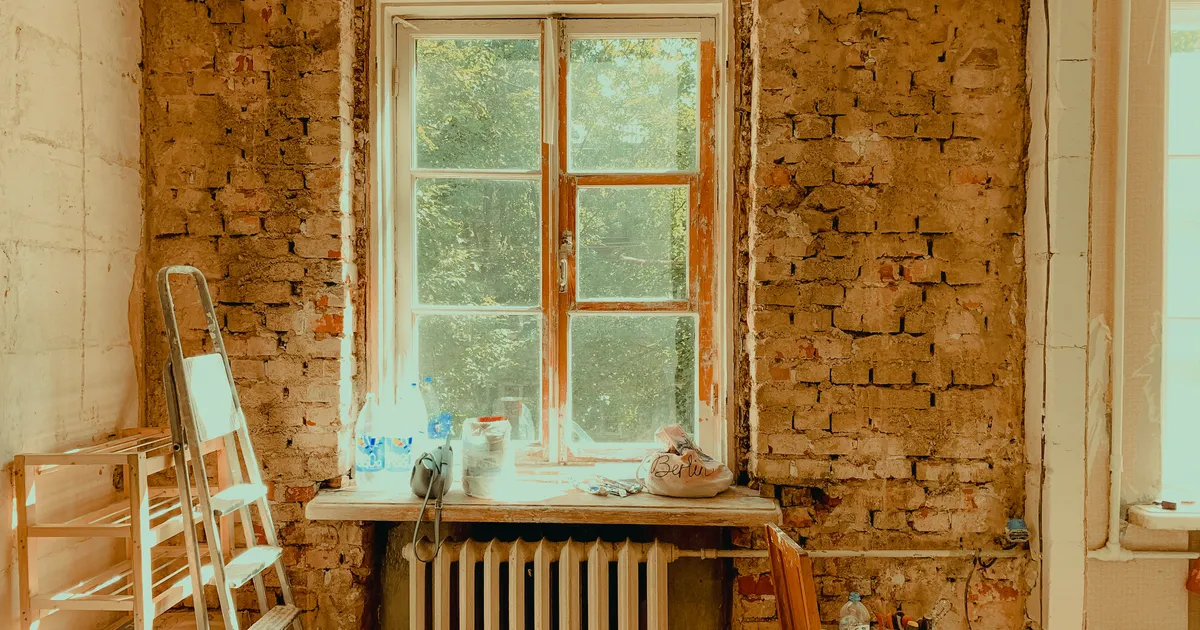
Let me tell you, when I first bought my fixer-upper, I was convinced I’d need to win the lottery to make it feel like home. Every show I watched featured six-figure budgets and professional crews. But after years of trial and error, I discovered a secret: you absolutely can achieve stunning, high-impact results with low cost home renovation tips, even if you’re a complete beginner. It’s not about grand structural changes; it’s about strategic, thoughtful updates that dramatically elevate a space without emptying your wallet. I’ve seen firsthand how a few hundred dollars and a weekend of effort can outperform projects costing ten times more, and I’m here to share exactly how you can do it too, turning your house into a sanctuary for 2026 and beyond.
The Transformative Power of Paint and Lighting
There’s simply no greater bang for your buck than a fresh coat of paint. It’s the ultimate illusionist, capable of making small rooms feel expansive, dim rooms feel brighter, and outdated spaces feel utterly modern. Don’t underestimate the psychological impact of color; a serene sage green can create a spa-like bathroom, while a crisp white instantly modernizes a living area. Choosing the right finish also matters – an eggshell for walls offers durability and a subtle sheen, while semi-gloss on trim provides contrast and is easy to clean. This single update requires minimal skill but yields maximum visual dividends, instantly making your home feel cleaner and more intentional.
Beyond color, lighting is the unsung hero of home aesthetics. Swapping out an old, builder-grade fixture for a stylish new one can completely change a room’s character. Think about the warmth of a dimmer switch, allowing you to adjust ambiance, or the directional task lighting in a kitchen. Even something as simple as replacing cool-toned LED bulbs with warmer ones can make a space feel more inviting and cozy. Don’t forget the power of layered lighting – a mix of overhead, task, and accent lighting prevents harsh shadows and highlights architectural features, all achievable on a surprisingly modest budget with readily available options from home improvement stores.
Smart Updates for Kitchens & Baths
Kitchens and bathrooms are often the most expensive rooms to renovate, but they also offer incredible opportunities for low-cost, high-impact improvements. Start small: replace outdated cabinet hardware with sleek new pulls or knobs. This tiny detail can instantly modernize the entire room. Regrouting tile can make a world of difference, refreshing tired surfaces and eliminating grime that makes a space feel dirty. A deep declutter and reorganization of countertops and open shelving will also create an immediate sense of spaciousness and calm, making these vital areas feel much more functional and appealing.
Consider resurfacing options for countertops or cabinets if they’re structurally sound but visually dated. Paint kits designed for cabinets can give them a fresh, contemporary look, while epoxy kits can transform laminate countertops into something resembling stone for a fraction of the cost. These DIY projects require patience and attention to detail, but the results are incredibly rewarding. For example, a dated, dark kitchen can be brightened immensely by painting cabinets a light color and adding a simple, clean backsplash. The cumulative effect of these smaller changes is far greater than the sum of their parts, truly transforming the heart of your home.
DIY Backsplash Brilliance
Adding a backsplash is one of those low cost home renovation tips that delivers huge returns, especially in a kitchen or bathroom. Forget traditional tile and grout if you’re looking for speed and ease. Peel-and-stick tiles have come a long way, offering realistic textures and patterns from subway tile to mosaics, and they can be installed in an afternoon. Alternatively, consider stenciling a pattern onto a plain painted wall for a custom, designer look without the hefty price tag of wallpaper. These methods are forgiving for beginners and allow you to experiment with bold patterns or subtle textures, completely redefining the focal point of your space. You can find excellent tutorials and materials at places like The Home Depot or Lowe’s, making it an accessible project for almost anyone.
Maximizing Curb Appeal on a Budget
First impressions matter, and your home’s exterior is the first thing guests and potential buyers see. Boosting curb appeal doesn’t require a landscape architect or a full exterior repaint. Start with what you have: power wash siding, walkways, and driveways to remove years of grime. Touch up peeling paint on trim, windows, and doors. Simple landscaping updates, such as weeding existing beds, adding fresh mulch, and planting a few colorful annuals or perennials near the entrance, can make a dramatic difference. These efforts convey pride of ownership and instantly make your home appear well-maintained and inviting for 2026.
Focus on the front door – it’s the handshake of your home. A fresh coat of paint in a bold, welcoming color can completely revitalize your entrance. While you’re at it, replace an old, tarnished doorknob or add a stylish new kickplate. Update your house numbers to a modern, easy-to-read font. Don’t forget outdoor lighting; a new porch light fixture can provide both aesthetic appeal and enhanced security. Even a new, attractive welcome mat can contribute to a more polished look. These small, targeted improvements require minimal investment but collectively create a powerful, positive statement about your home’s exterior.
Decluttering and Organization for Impact
This might seem obvious, but the impact of a thoroughly decluttered and organized home is monumental, and it costs virtually nothing but time. Excess belongings create visual noise and make even large spaces feel cramped and chaotic. A rigorous decluttering session, where you thoughtfully decide what to keep, donate, or discard, immediately creates a sense of calm and order. It allows the architectural features of your home to shine and makes every room feel larger, cleaner, and more intentional. This isn’t just about aesthetics; it’s about creating a more peaceful and functional living environment.
Once decluttered, smart organization maintains that fresh feeling. You don’t need expensive custom built-ins. Affordable solutions like attractive storage baskets, drawer dividers, and simple shelving units can transform cluttered areas into organized havens. Think vertically with wall-mounted shelves or hooks to free up floor space. Organizing isn’t just about hiding things; it’s about creating systems that make your daily life easier and prevent clutter from accumulating again. This fundamental step ensures that all your other low cost home renovation tips truly stand out, creating a cohesive and inviting atmosphere throughout your entire home.
Flooring Fixes and Wall Enhancements
Worn or outdated flooring can drag down the entire feel of a room, but replacing it entirely can be costly. For hardwoods, a thorough cleaning and polishing can bring back their luster. For vinyl or laminate, ensure they are spotless and consider using area rugs to define spaces and cover any imperfections. If you’re feeling ambitious, peel-and-stick vinyl planks or tiles offer an incredibly budget-friendly way to completely change the look of a floor in a bathroom or laundry room. Websites like Bob Vila provide excellent resources for DIY flooring projects, guiding beginners through the process of selecting and installing these affordable options. This kind of update offers a significant visual uplift without breaking the bank.
Empty or poorly decorated walls can make a room feel unfinished. Instead of expensive art, consider creating a gallery wall using personal photos, affordable prints, or even your children’s artwork framed nicely. Large mirrors are fantastic for making rooms feel bigger and brighter by reflecting light. For a truly high-impact, low-cost solution, create an accent wall. This could be painted in a bold color, stenciled with a sophisticated pattern, or even covered with peel-and-stick wallpaper. These visual enhancements draw the eye, add personality, and make a room feel thoughtfully designed without a major financial outlay.
Key Takeaways
- Prioritize Paint and Lighting: These two elements offer the highest return on investment for minimal cost. A fresh coat of paint and updated light fixtures, including warmer bulbs and dimmers, can completely transform a room’s mood and perceived size.
- Focus on High-Traffic Areas: Kitchens and bathrooms benefit most from budget-friendly updates like new hardware, regrouting, and DIY resurfacing or backsplashes. These small changes in key areas create a significant overall impact on home value and enjoyment.
- Don’t Underestimate Curb Appeal: Simple exterior clean-ups, fresh door paint, updated house numbers, and basic landscaping can dramatically improve your home’s first impression. These projects are often quick, satisfying, and very affordable.
- Declutter Before You Decorate: A thorough decluttering and smart organization system are free ways to make your home feel larger, cleaner, and more intentional. It’s the essential foundation that allows all other renovations, big or small, to truly shine.
Frequently Asked Questions
What’s the best first project for a complete beginner?
For a complete beginner, painting a single room is an ideal first project. It teaches fundamental skills like prep work, taping, and proper brush/roller technique, offers immediate visual gratification, and is relatively inexpensive. Start with a small, less-used room like a guest bathroom or a spare bedroom to build confidence before tackling larger, more visible areas.
How can I budget effectively for low-cost renovations?
Start by making a detailed list of desired projects and researching material costs. Prioritize projects based on impact and necessity. Always add a 10-15% contingency fund for unexpected expenses. Look for sales on paint, hardware, and tools, and consider second-hand options for décor. DIY wherever possible to save on labor costs, but be realistic about your skills and time.
Are DIY projects always cheaper than hiring a professional?
Not always. While DIY saves on labor, it requires your time, effort, and potentially an investment in tools. For complex or safety-critical tasks like electrical work or major plumbing, hiring a professional is often safer, more efficient, and can prevent costly mistakes down the line. For beginners, stick to projects like painting, minor hardware swaps, or gardening, where the learning curve is gentler.
When should I consider hiring a professional, even for small projects?
You should consider hiring a professional when a project involves specialized skills (e.g., complex tiling, intricate carpentry), poses a safety risk (e.g., electrical, structural), or requires tools you don’t own and won’t use again. Also, if your time is extremely limited, or if you’re aiming for a flawless finish in a high-visibility area, a professional’s expertise can be a worthwhile investment.
Conclusion
Embracing low cost home renovation tips is not about compromise; it’s about smart, strategic choices that deliver maximum impact. As we look towards 2026, remember that your home is a reflection of you, and you don’t need a massive budget to make it beautiful, functional, and deeply personal. By focusing on paint, lighting, small kitchen and bath updates, curb appeal, and the magic of decluttering, you can transform your living space into a haven you adore, one confident, achievable project at a time. Go forth and create, your dream home awaits!