


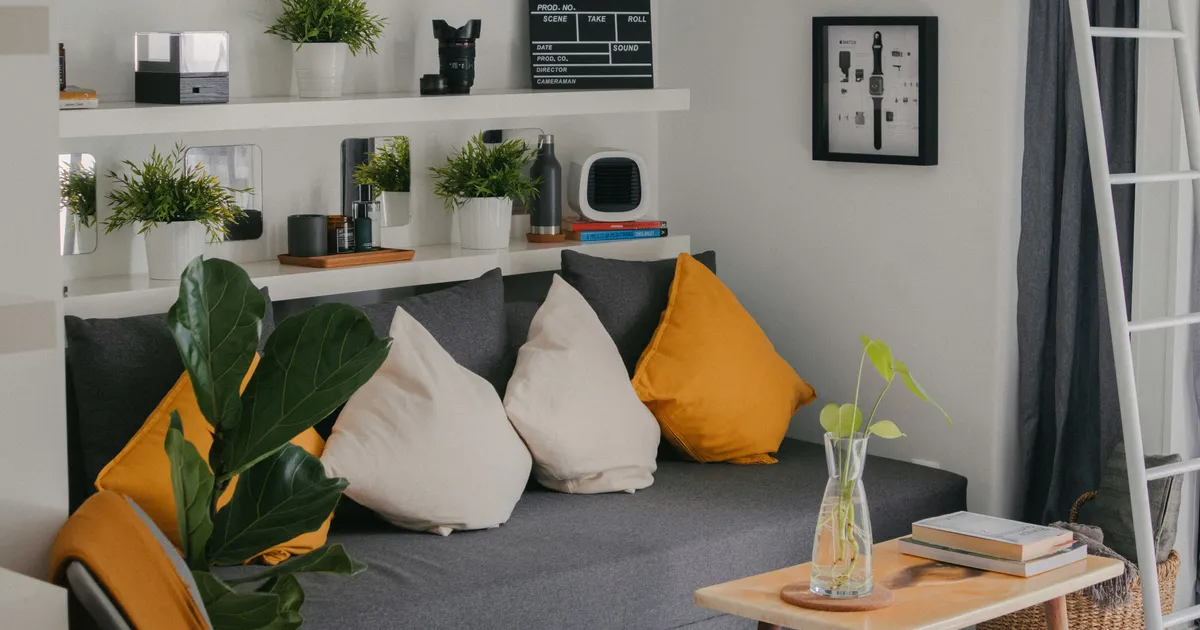
I still remember the look on my friend Sarah’s face when she first walked into her new studio apartment. It was charming, but undeniably tiny, and her dreams of entertaining or even just having a dedicated workspace seemed to crumble before her eyes. “It’s impossible,” she sighed, convinced modern design was reserved for sprawling lofts. But I knew better. With a bit of ingenuity and a firm grasp on modern home renovation ideas for small spaces with budget friendly solutions, we transformed that cramped studio into a functional, stylish haven that felt twice its size. The secret isn’t more square footage, but smarter square footage, proving that even the coziest corners can become incredibly chic and efficient without breaking the bank.
Maximizing Vertical Space
When every square inch of floor space is precious, the only way is up! Embracing verticality is perhaps the most fundamental principle for small space design. Think beyond traditional bookcases and consider floor-to-ceiling shelving units, which draw the eye upwards and provide immense storage or display opportunities without eating into your precious footprint. Wall-mounted desks, folding tables, and even pull-down beds are fantastic budget-friendly solutions that disappear when not in use, offering incredible flexibility for living areas that need to serve multiple purposes throughout the day.
For those on a tighter budget, DIY floating shelves can be a game-changer. A simple trip to your local hardware store for some wood planks and sturdy brackets can yield stylish, custom storage that perfectly fits your space. Look for affordable modular shelving systems that can be configured to your exact needs, often available from stores like IKEA. These adaptable units are perfect for stashing books, decor, or even creating a vertical pantry in a small kitchen. By leveraging every inch from floor to ceiling, you unlock significant potential.
Multifunctional Furniture & Layouts
The cornerstone of small space living is furniture that works as hard as you do. A sofa that transforms into a bed, an ottoman with hidden storage, or a coffee table that rises to dining height are not just clever gadgets; they are essential investments that allow a single room to fluidly shift between different functions. This approach minimizes clutter and maximizes utility, ensuring your home adapts to your lifestyle rather than dictating it. For 2026, we’re seeing even more innovative designs emerge that truly blend form and function seamlessly.
Finding these versatile pieces doesn’t require a luxury budget. Explore second-hand shops, online marketplaces, and clearance sections for hidden gems. An old trunk can become a coffee table with generous storage, while a sturdy bench can offer extra seating and a place to tuck away blankets. Don’t be afraid to repurpose items; an antique dresser might serve as a stylish vanity or a kitchen island with added storage. The key is to see the potential beyond an item’s original intent, making your budget stretch further.
The Power of Custom-Look Built-ins on a Budget
True built-ins can be expensive, but you can achieve a similar custom look without the hefty price tag. By combining standard modular cabinets or shelving units and then adding custom trim, crown molding, and a fresh coat of paint, you can create the illusion of bespoke cabinetry. This trick makes your space feel more integrated and high-end, offering tailored storage that fits perfectly into awkward nooks or along an entire wall. It’s a fantastic way to elevate the aesthetic and functionality of a small room.
Strategic Lighting and Color Play
It’s amazing how much larger a small room can feel with the right lighting and a smart color palette. Light, neutral colors on walls and ceilings reflect natural light, making the space appear more expansive and airy. Don’t shy away from adding pops of color through accessories or a single accent wall, but keep the overall backdrop bright and consistent. Mirrors are another budget-friendly marvel; strategically placed, they can double the visual space and bounce light around, creating depth and openness.
Layered lighting is crucial for creating ambiance and defining zones in a small area. Instead of a single overhead fixture, incorporate task lighting (like under-cabinet LEDs in the kitchen or a reading lamp next to a sofa), ambient lighting (dimmable ceiling lights), and accent lighting (picture lights or small uplights). These affordable additions can transform the mood of a room and make it feel more sophisticated and inviting. For inspiration, consider visiting Better Homes & Gardens’ small space ideas for visual examples.
Smart Storage Solutions & Decluttering
The golden rule for small spaces is ruthless decluttering. If you don’t love it or use it regularly, it’s probably contributing to visual clutter, which shrinks a room. Once you’ve streamlined your belongings, intelligent storage becomes paramount. Think under-bed storage drawers, ottoman storage, and even hollow furniture pieces. Vertical organizers for closets and pantries, over-the-door racks, and pegboards in kitchens or craft areas are incredibly effective and surprisingly inexpensive.
Don’t underestimate the power of attractive containers and baskets. These can neatly hide away miscellaneous items, creating a clean, organized look. Labeling helps maintain order and ensures everything has a designated home. Remember, visible clutter instantly makes a space feel smaller and more chaotic. By investing in smart, affordable storage solutions and committing to a decluttered lifestyle, you reclaim valuable visual and physical space. Explore DIY storage hacks on sites like DIY.com for inspiration.
Embracing Open Concepts (Even in Small Doses)
While knocking down walls might seem like a drastic and expensive step, the principle of an open concept can be applied in subtle, budget-friendly ways. The goal is to create visual flow and clear sightlines, making the space feel less compartmentalized. Consider removing doors that aren’t essential, like those to a pantry or a small study nook, and replacing them with curtains or leaving the doorway open. This creates an uninterrupted visual path, making the entire area feel larger.
Even without structural changes, you can mimic an open feel. Use consistent flooring throughout adjacent small rooms to create a continuous flow. Choose furniture with slender legs or transparent materials (like acrylic chairs) to keep sightlines open and prevent a bulky feel. Thoughtful placement of furniture, ensuring clear pathways, also contributes significantly to an open and airy atmosphere. These subtle shifts can dramatically improve the perceived size and functionality of your small home in 2026.
Key Takeaways
- Embrace Verticality for Storage and Display: Look up! Wall-mounted shelves, desks, and even beds are essential for maximizing every inch of your limited footprint without sacrificing precious floor space.
- Prioritize Multifunctional and Repurposed Furniture: Invest in pieces that serve dual purposes (e.g., sofa beds, storage ottomans) or creatively repurpose items from second-hand markets to save money and increase utility.
- Harness the Power of Light Colors and Strategic Lighting: Light wall colors, ample natural light, layered artificial lighting, and well-placed mirrors are budget-friendly ways to make any small room feel significantly larger and brighter.
- Ruthlessly Declutter and Implement Smart, Hidden Storage: A clean, organized space always feels bigger. Utilize under-bed storage, attractive baskets, and vertical organizers to keep clutter out of sight and maintain visual calm.
Frequently Asked Questions
Can I really make a small space feel luxurious on a budget?
Absolutely! Luxury in a small space often comes from intelligent design, quality finishes (even if they’re DIY), and a curated feel, rather than sheer size. Focus on a cohesive color palette, thoughtful lighting, and one or two statement pieces. A fresh coat of paint, elegant hardware on existing cabinets, and plush textiles can elevate a space significantly without a huge financial outlay. It’s all about attention to detail and creating a sense of calm and order.
What’s the biggest mistake people make in small space renovations?
One of the most common mistakes is trying to cram too much furniture or too many decorative items into the space. This creates clutter, both visually and physically, making the room feel even smaller and more chaotic. Another error is neglecting vertical space, leaving valuable storage potential untapped. Always prioritize functionality and clear pathways, and remember that less is often more in a compact environment.
How do I choose the right color palette for a tiny room?
For tiny rooms, light and cool color palettes are generally your best friends. Whites, off-whites, light grays, and soft pastels reflect light, making walls recede and the room appear more expansive. You can add depth and personality with darker or bolder accent colors through textiles, artwork, or a single piece of furniture, but keep the overall scheme light. Consider a monochromatic scheme for a sophisticated and cohesive look.
Is DIY always cheaper, or should I hire professionals sometimes?
DIY can certainly save money, especially for tasks like painting, installing shelves, or assembling flat-pack furniture. However, for more complex renovations like electrical work, plumbing, or structural changes, hiring a qualified professional is crucial for safety and long-term quality. Weigh your skills and comfort level against the potential risks and costs of rectifying mistakes. Sometimes, paying an expert upfront saves more money and stress in the long run.
Conclusion
Transforming a small space doesn’t require a limitless budget or a magic wand; it demands smart planning, creative thinking, and a willingness to embrace innovative solutions. By focusing on maximizing vertical space, utilizing multifunctional furniture, playing with light and color, and maintaining a decluttered environment, you can turn any compact area into a highly functional, beautiful, and inviting home. Remember, limitations often spark the greatest creativity, and with these modern home renovation ideas for small spaces with budget friendly solutions, your small home can truly live large.