


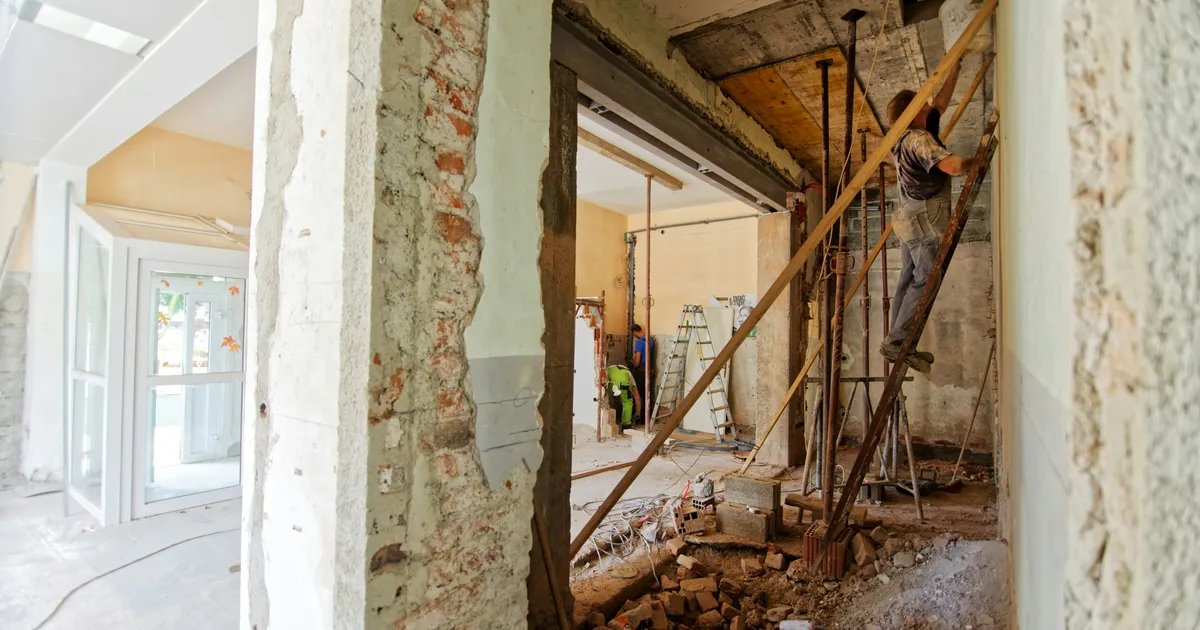
I once watched a friend embark on what he thought would be a simple kitchen facelift, only to see it snowball into a full-blown, gut-remodel nightmare that cost him double his initial budget and took six months longer than planned. His story isn’t unique; navigating home improvements can feel like traversing a minefield, with common renovation mistakes lurking around every corner. From overlooked structural issues to mismanaged timelines, the pitfalls are numerous. But with expert guidance and a proactive approach, you can avoid these costly blunders and ensure your next project is a resounding success, adding genuine value and joy to your home in 2026 and beyond.
Skipping the Detailed Planning Phase
One of the most frequent and easily avoidable mistakes homeowners make is diving into a renovation without a comprehensive plan. It’s tempting to get caught up in the excitement of new fixtures and finishes, but without a clear vision, detailed blueprints, and a precise scope of work, you’re essentially building a house of cards. A robust plan isn’t just about aesthetics; it encompasses structural considerations, material choices, electrical and plumbing layouts, and even how your family will live in the space during the disruption. This foundational step dictates everything that follows, and rushing it invariably leads to costly changes and frustrating delays down the line.
My philosophy is always to “measure twice, cut once,” not just with lumber, but with every aspect of your project’s blueprint. Engage architects or designers early, even for smaller projects, to help crystallize your ideas and anticipate potential challenges. A well-defined scope prevents “scope creep,” where the project continuously expands beyond its original intent, draining both your budget and your patience. Remember, the more you plan on paper, the less you’ll have to improvise on-site, which is where real money and time are lost. This meticulous preparation is your greatest defense against unforeseen problems.
Underestimating the True Cost
Budgeting for a renovation is far more complex than simply tallying up material costs and labor estimates. Many homeowners fall into the trap of underestimating the true financial commitment, leading to projects stalling or requiring significant compromises. The sticker shock often comes from hidden costs: demolition, permit fees, waste removal, temporary living expenses, and the inevitable “contingency fund” for unforeseen problems. Thinking you can save by cutting corners on materials or skilled labor often backfires, resulting in repairs or replacements much sooner than anticipated.
To avoid this financial pitfall, always build in a contingency fund of at least 15-20% of your total estimated project cost. This buffer acts as your safety net for unexpected issues like discovering asbestos, dry rot, or outdated wiring once walls are opened up. Getting multiple bids from reputable contractors and understanding what is and isn’t included in their quotes is also crucial. Don’t be afraid to ask detailed questions about allowances for fixtures and finishes, as these can significantly impact your bottom line. Transparency in budgeting from the outset prevents unwelcome surprises and ensures financial stability throughout the project.
The True Cost of Unexpected Delays
While direct costs are often discussed, the indirect financial burden of project delays is frequently overlooked. Every week a project runs over schedule can mean additional rental costs for temporary accommodation, increased interest on construction loans, or lost income if you’ve taken time off work. Delays also tie up your financial resources longer, potentially impacting other investment opportunities or savings goals. It’s not just about the immediate cash outlay for materials or labor; it’s about the opportunity cost and the extended period of inconvenience that has a tangible financial value.
Ignoring Permits and Building Codes
One of the most dangerous common renovation mistakes, both legally and structurally, is proceeding without the necessary permits or disregarding local building codes. Homeowners sometimes believe small projects don’t require permits, or they attempt to bypass the bureaucracy to save time and money. However, this oversight can lead to severe consequences, including fines, forced demolition of unapproved work, and difficulties when trying to sell your home. Most importantly, building codes are in place for safety, ensuring structural integrity, fire safety, and proper electrical and plumbing installations.
Always consult your local building department before starting any significant work. They can provide a comprehensive list of required permits for projects ranging from deck construction to major remodels. Working with a licensed contractor often simplifies this process, as they are typically familiar with local regulations and can help manage permit applications. Failing to obtain permits not only jeopardizes the safety and structural soundness of your home but can also invalidate your homeowner’s insurance in the event of an incident related to unpermitted work. Compliance is not optional; it’s a critical investment in your home’s long-term value and your family’s safety.
DIY Overconfidence and Skill Misjudgment
The allure of saving money by tackling renovations yourself is strong, but DIY overconfidence is a widespread pitfall. While some tasks, like painting or minor landscaping, are well within the capabilities of an enthusiastic amateur, more complex projects involving plumbing, electrical work, structural changes, or intricate tiling demand specialized skills and tools. A poorly executed DIY job can look unprofessional, function inadequately, or even create dangerous conditions, ultimately costing more to fix than hiring a professional would have in the first place.
It’s crucial to honestly assess your skills, experience, and available time before deciding to DIY a renovation task. For critical systems like electrical wiring or gas lines, always defer to certified professionals. Not only is it safer, but improper work can lead to serious hazards and code violations. Consider a hybrid approach: DIY tasks you’re genuinely competent at, and hire experts for the rest. Websites like Houzz offer great resources for finding vetted professionals and understanding project scopes. This balanced strategy ensures quality results while still allowing you to contribute meaningfully to your home’s transformation.
Choosing the Wrong Contractor
Your contractor is the linchpin of your renovation project, and selecting the wrong one can be a source of immense stress, financial loss, and shoddy workmanship. Many homeowners rush this decision, perhaps going with the cheapest bid or a referral without proper vetting. A bad contractor can lead to missed deadlines, budget overruns, poor communication, and work that doesn’t meet your expectations or local codes. This mistake is particularly heartbreaking because it often undoes all the careful planning you’ve invested.
Thorough due diligence is paramount. Always obtain at least three detailed bids from licensed, insured, and reputable contractors. Check their references diligently, speaking to past clients about their experience, communication, and project management. Verify their licensing and insurance with your state’s contractor licensing board or a reliable source like the Better Business Bureau. Ensure a comprehensive contract is in place that clearly outlines the scope of work, payment schedule, timeline, and dispute resolution process. A good contractor is a partner in your vision, not just a service provider, and finding the right fit is arguably the most important decision you’ll make.
Key Takeaways
- Plan Meticulously: Invest significant time in detailed planning, including architectural drawings and a clear scope of work, to prevent costly changes and delays down the line. A robust plan is your project’s foundation.
- Budget with a Contingency: Always factor in a 15-20% contingency fund for unexpected issues, and account for all indirect costs like permits, waste removal, and temporary living, ensuring financial resilience.
- Prioritize Permits and Codes: Never bypass local building permits or ignore codes. Compliance ensures safety, legality, avoids fines, and protects your home’s value and insurability. Consult authorities early.
- Know Your Limits: Be realistic about your DIY capabilities. While some tasks are suitable for homeowners, critical systems and complex work require licensed professionals to ensure quality, safety, and code adherence.
Frequently Asked Questions
How can I avoid renovation budget overruns?
To avoid budget overruns, start with a detailed financial plan that accounts for every aspect of the project, including materials, labor, permits, and a crucial 15-20% contingency fund. Get multiple, itemized bids from contractors and scrutinize them to understand exactly what’s included. Be decisive about your choices early, as changes mid-project are often the most expensive. Track your spending diligently against your budget, and communicate frequently with your contractor about any potential cost implications of decisions.
What should I look for when hiring a contractor?
When hiring a contractor, prioritize licensing, insurance, and a strong portfolio of relevant past projects. Request at least three references and contact them to inquire about their experience, particularly regarding communication, adherence to timelines, and problem-solving skills. Ensure they provide a clear, detailed contract that outlines the scope of work, payment schedule, and warranty information. Avoid contractors who demand large upfront payments or pressure you into quick decisions.
Is it always necessary to get a permit for home renovations?
Most significant home renovations, especially those involving structural changes, electrical work, plumbing, or major alterations to the footprint of your home, require permits. Even seemingly minor projects like deck building or fence installation can necessitate them. It’s always best to check with your local building department before starting any work to understand specific requirements. Failing to obtain permits can lead to fines, difficulties selling your home, and safety hazards.
How can I ensure my renovation adds value to my home by 2026?
To ensure your renovation adds value by 2026, focus on projects with high ROI, such as kitchen and bathroom remodels, adding usable living space, or enhancing curb appeal. Choose timeless designs and quality materials over trendy fads. Ensure all work is done to code and with proper permits. Consider energy-efficient upgrades, which are increasingly attractive to buyers. Most importantly, ensure the renovation aligns with your neighborhood’s home values; over-improving can sometimes result in diminishing returns.
Conclusion
Embarking on a home renovation is a significant undertaking, but by actively learning from common renovation mistakes, you can navigate the process with far greater confidence and success. Meticulous planning, realistic budgeting with a solid contingency, strict adherence to permits, a honest assessment of your DIY limits, and careful contractor selection are your most powerful tools. Approach your project with knowledge and a proactive mindset, and your investment in 2026 will undoubtedly result in a beautiful, functional, and value-enhancing transformation you’ll cherish for years to come.