


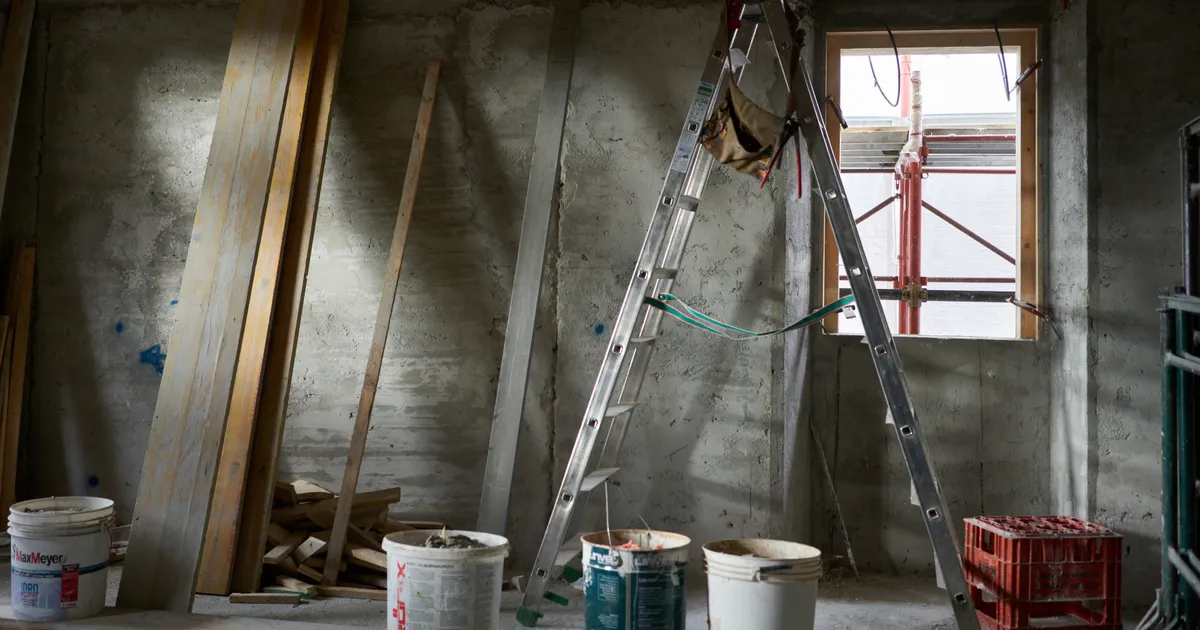
My first foray into home renovation was, to put it mildly, a baptism by fire. I learned the hard way that a YouTube tutorial, while inspiring, doesn’t always translate perfectly to a 1970s electrical system or a stubborn, out-of-square wall. That experience taught me the invaluable lesson that while enthusiasm is great, it must be tempered with foresight and solid planning. If you’re a beginner embarking on your home transformation journey, these expert home renovation tips are designed to help you navigate the inevitable challenges, avoid costly blunders, and ensure your project for 2026 is a success rather than a saga of stress.
Plan Every Detail Meticulously
The single most critical step for any successful renovation, especially for beginners, is comprehensive planning. Before you even think about swinging a hammer, dedicate significant time to mapping out your vision, scope, and desired outcomes. This isn’t just about picking paint colors; it involves understanding the structural implications, material choices, and how each decision impacts the next. A well-defined plan acts as your project’s blueprint, guiding every stage and helping you visualize the finished space, which can prevent impulsive changes mid-project that often lead to budget overruns and delays.
Beyond the aesthetic, meticulous planning includes researching local building codes and potential permit requirements. Many beginners overlook this, assuming small projects don’t need official approval, only to face fines or forced rework later. Consult with professionals, even if it’s just for an initial assessment, to understand the feasibility of your ideas. Think about the functionality of the space and how your lifestyle will integrate with the changes. A detailed plan, complete with measurements and material lists, is your strongest defense against common renovation pitfalls.
Budget Realistically, Then Add More
Budgeting for a renovation can feel like an exercise in crystal ball gazing, but it’s an absolutely essential component of expert home renovation tips. Most beginners underestimate the true cost, leading to projects stalling halfway through or significant financial strain. Start by getting multiple quotes for labor and materials, and research the average costs for similar projects in your area. Don’t forget to factor in seemingly minor expenses like disposal fees, tool rentals, and even the cost of eating out more often if your kitchen is out of commission.
Once you have your initial budget figure, add a contingency fund of at least 15-20%. This isn’t a luxury; it’s a necessity. Unexpected issues, such as discovering mold behind a wall, outdated wiring, or plumbing problems, are almost guaranteed in older homes. This buffer ensures that when these surprises inevitably arise, you can address them without derailing your entire project or compromising on essential repairs. Think of it as an insurance policy for your peace of mind and your bank account, especially if you’re planning a major overhaul in 2026.
Understanding Contingency Funds
A contingency fund is specifically allocated for unforeseen expenses that pop up during a renovation. It’s not for upgrading your faucet choice or deciding you want marble instead of granite. Its purpose is purely reactive, designed to absorb the financial shock of unexpected repairs or mandatory code upgrades. Without this buffer, many homeowners find themselves making difficult choices, like cutting corners on quality, borrowing more than planned, or living with unfinished elements, all because they didn’t account for the unknown.
Know When to DIY and When to Hire Pros
The allure of saving money by doing everything yourself is strong, but it’s a trap many beginners fall into. While painting, demolition, or simple fixture installations can be rewarding DIY tasks, critical areas like electrical, plumbing, structural changes, and gas lines are best left to licensed professionals. Attempting these without proper expertise can lead to dangerous situations, expensive repairs down the line, or even void your home insurance. Your safety and the long-term integrity of your home should always take precedence over potential cost savings.
When you do decide to hire professionals, vet them thoroughly. Ask for multiple references, review their portfolios, and verify their licenses and insurance. A good contractor will provide a detailed contract outlining the scope of work, timeline, payment schedule, and warranty information. Don’t simply choose the cheapest bid; prioritize experience, reliability, and clear communication. A skilled tradesperson might cost more upfront, but they will save you headaches, time, and potentially significant expenses in the future, ensuring your renovation project in 2026 runs smoothly.
Prioritize Preparation Over Speed
Rushing through the preparatory stages of any renovation is a common mistake that guarantees a subpar finish. Whether it’s painting, tiling, or installing new flooring, the quality of the final result is directly proportional to the thoroughness of your prep work. This includes proper cleaning, sanding, patching, priming, and protecting surrounding areas. For instance, skipping the primer before painting can lead to uneven color, poor adhesion, and a finish that chips easily, forcing you to redo the work much sooner than anticipated.
Patience is truly a virtue in renovation. Allow adequate drying times between coats of paint or primer, let glues and grouts cure fully, and don’t rush the demolition phase. Haste often leads to accidental damage to surrounding structures, creating more work and expense. Taking your time during preparation not only ensures a professional, durable finish but also reduces the likelihood of costly errors, making the entire process more efficient and ultimately more satisfying. You can learn more about proper preparation techniques at This Old House.
Don’t Skimp on Quality Materials
While sticking to a budget is important, compromising on the quality of essential materials is often a false economy. Cheaper materials might save you money initially, but they typically have a shorter lifespan, wear out faster, and may require premature replacement, costing you more in the long run. This is particularly true for high-traffic areas, structural components, and items exposed to moisture, such as flooring, cabinetry, and bathroom fixtures. Investing in durable, high-quality materials ensures longevity and reduces maintenance over time.
Research materials thoroughly before making purchases. Read reviews, compare specifications, and consider the long-term value and aesthetic appeal. Sometimes, spending a little more upfront for a superior product can significantly enhance the overall look and feel of your renovation, while also providing better durability and performance. For example, selecting quality low-VOC paints from a reputable brand can improve indoor air quality and provide a more lasting finish than bargain options. Consider consulting resources like Consumer Reports for unbiased material reviews.
Key Takeaways
- Detailed Planning is Non-Negotiable: Invest ample time in planning every aspect, from design to permits, to avoid mid-project surprises and ensure a smooth renovation process.
- Budget with a Generous Contingency: Always include a 15-20% buffer in your budget for unexpected costs, as unforeseen issues are common, especially in older homes.
- Prioritize Professional Expertise for Critical Tasks: Don’t attempt complex electrical, plumbing, or structural work yourself; hire licensed professionals to ensure safety and compliance.
- Embrace Patience and Thorough Preparation: Never rush prep work or drying times, as the quality of your final result heavily relies on meticulous execution of these foundational steps.
Frequently Asked Questions
What’s the best way for a beginner to start a home renovation project?
The best way to start is by defining your goals clearly, researching extensively, and creating a detailed project plan. Focus on one room or a specific area first to avoid feeling overwhelmed. Engage with local resources, like your city’s building department, to understand regulations, and always prioritize safety and structural integrity.
How can I find reliable contractors and tradespeople?
Start by asking for referrals from friends, family, or neighbors who have recently completed renovations. Check online review sites, but always cross-reference. Interview multiple contractors, ask for proof of licensing and insurance, request a detailed written estimate, and check references diligently. A good rapport and clear communication are crucial.
What are common hidden costs in home renovations?
Hidden costs often include unexpected structural repairs (e.g., rotten wood, foundation issues), outdated electrical or plumbing systems needing upgrades, pest damage, asbestos or lead paint remediation, permit fees, waste disposal, and temporary living expenses if your home becomes uninhabitable during the project. The contingency fund is designed for these.
Is it always cheaper to DIY a renovation?
Not necessarily. While DIY can save on labor costs for simple tasks, it can also lead to more expensive mistakes if you lack the necessary skills or tools. Factors like time commitment, tool rentals, material waste from errors, and the potential need to hire a professional to fix DIY blunders can quickly negate any initial savings. Assess your skills honestly.
Conclusion
Embarking on a home renovation as a beginner can feel like a daunting task, but with the right approach and these expert home renovation tips, it can be an incredibly rewarding experience. Remember, thorough planning, realistic budgeting, knowing your limitations, and prioritizing quality over speed are your most powerful tools. By applying these principles, you’re not just renovating a house; you’re thoughtfully crafting a space that truly reflects your vision and stands the test of time, without falling victim to common, avoidable mistakes.